 ZUFEK
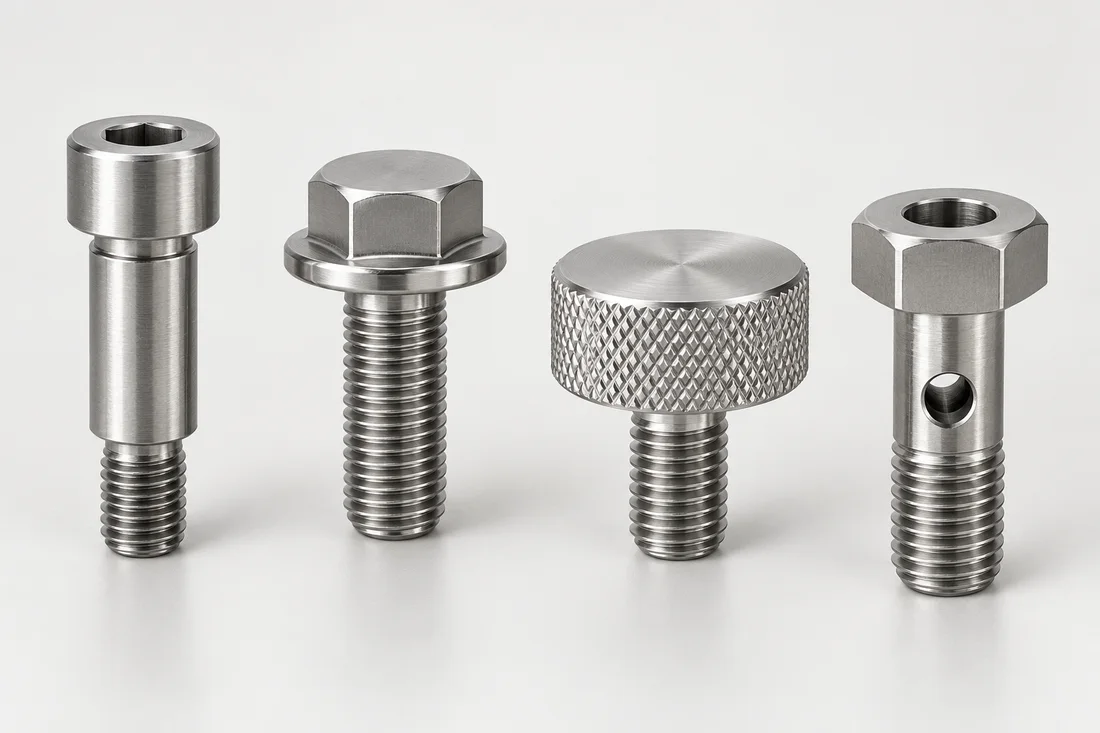
Start with the drawing and revision
Include the drawing number, revision, units and quantity. Show overall length, thread specification, head dimensions and any shoulders. If a requirement is still open, label it as open rather than leaving it ambiguous.
Identify the features that matter
Mark dimensions that affect fit or function. Explain the mating part, assembly access and service conditions. A tolerance on every surface may create unnecessary cost; let functional needs guide the discussion.
Specify material and finish separately
State a material grade if it is known. Identify any coating, appearance or corrosion requirements separately. A material family or a finish name alone may not be enough to define an acceptance requirement.
Include quantity and delivery context
Provide prototype quantity, initial order quantity and expected repeat demand if available. Include the destination and requested date. Lead time and feasibility need confirmation after technical review.
Your RFQ checklist
Drawing or sketch • revision and units • material • finish • critical features • quantity • inspection documents • destination. Downloading a checklist is optional: you can paste these details directly into the quotation form.
Separate mandatory requirements from discussion items
Mark the interfaces that must remain unchanged: mating thread, locating diameter, bearing face and available installation envelope. Identify other features as open for review where that is true. A supplier can then propose a manufacturing change without silently changing the assembly function. If a drawing note conflicts with a model or sample, record the controlling requirement before obtaining a production quotation.
Use a quotation comparison sheet
Compare the same drawing revision and quantities. List one-time tooling, samples, recurring parts, treatment, inspection records, packaging and delivery terms separately. Ask each proposal to identify exclusions and deviations. A price for a blank that excludes a critical finishing operation is not equivalent to a price for an accepted finished part.
Close the review with a release decision
The quotation review should end with an agreed specification, confirmed sample quantity, schedule basis and acceptance plan. Typical tooling and sampling is approximately 10–15 days, subject to review. Repeat-production delivery is separate. Keep unresolved points visible so an early commercial estimate is not mistaken for an approved manufacturing release.
Continue exploring
Related custom fasteners · Manufacturing capabilities · Technical blog