
 ZUFEK
Different industries.
Specific requirements.
Start with the application, then connect the fastener geometry, material, manufacturing route and inspection plan.

Automotive Components ↗
Custom threaded components for brackets, equipment modules and other drawing-defined automotive component assemblies.

Industrial Automation ↗
Shoulder, step and adjustment fasteners for guided mechanisms, positioning stations and automation equipment.

Electronics & Optical Equipment ↗
Drawing-defined fasteners for compact housings, optical adjustment mechanisms and precision module assemblies.

Energy, Charging & Storage Equipment ↗
Custom fastening and connection geometries for equipment housings, brackets, routing features and electrical interface components.
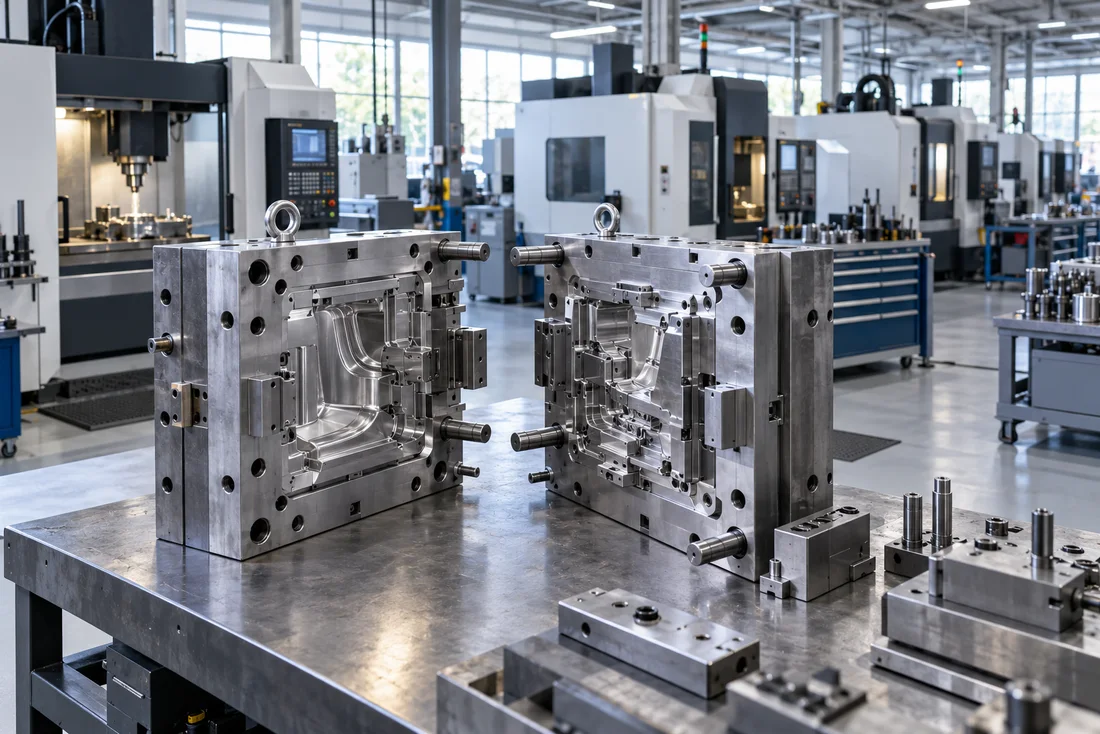
Molds, Tooling & Test Fixtures ↗
Custom shoulder screws, stops and threaded locating components for mold-related mechanisms, jigs and test fixtures.

Security & Access Equipment ↗
Special-drive and custom-head fasteners for access panels, protective housings and serviceable security equipment.

Fluid Control & Pneumatic Equipment ↗
Hollow, cross-drilled and taper-related custom components for application-specific passages, fixtures and connection interfaces.
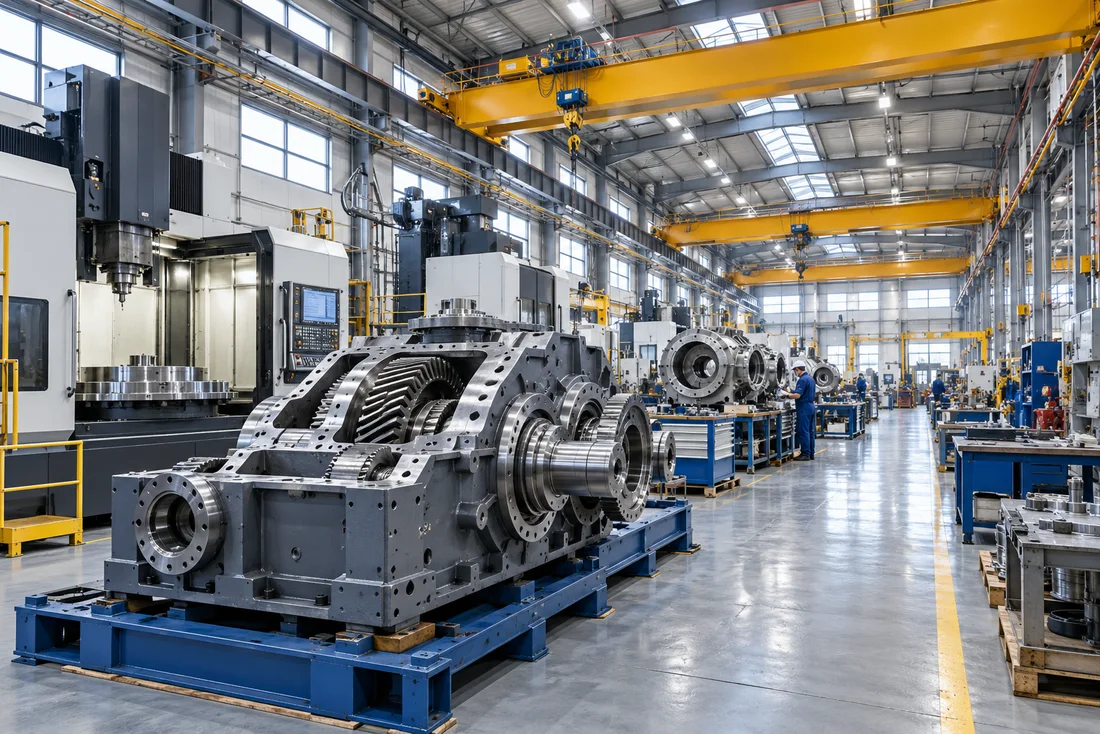
General Machinery & Equipment ↗
Special heads, studs and connection geometries for machine frames, brackets, custom linkages and equipment assemblies.
Bring the interfaces into the RFQ.
An application label is not a complete specification. Include the mating components, environment, quantity, material condition and acceptance requirements so the route can be reviewed for your actual part.
See the decisions in context.
Two illustrative projects connect assembly needs with fastener structure, material, processing and an approval plan.
Have a drawing? Let’s review it.
Share your drawing, quantity and application requirements with our team.