
 ZUFEK
Name the material.
Define its performance.
Compare grade, condition, strength and application needs. A material family alone does not determine the load capacity of a custom screw.
Read a material specification in three layers
Grade identifies the chemistry. Condition identifies the supplied or treated state. The finished-part requirement defines what the screw must meet after manufacturing. Keep all three in the drawing or purchase specification.
Compare numerical values only on the same basis: product form, section size, condition, test temperature and whether the value is nominal, typical or a specified minimum. A stock value cannot be used as an allowable joint load.
Use the grade table to build a shortlist, the processing checks to review feasibility, and the example request to prepare an RFQ. Proposed alternatives need an explicit approval against the same requirements.
Start with the job the material must do
Use the dominant requirement to choose a material family to investigate, then compare exact grades and conditions on its detail page. More than one family may remain suitable until the joint and environment are defined.
| Main selection priority | Family to compare | Decision before choosing |
|---|---|---|
| Specified strength, wear or mechanical duty | Carbon & Alloy Steel | Compare C45/C45E with 42CrMo4 or an explicitly specified SAE 4140 route; identify the final condition and finished-part requirement. |
| Repeat production with a cold-heading route | 10B21 Boron Steel | Review 10B21 wire condition, forming and heat treatment together. The grade name does not choose the finished strength class. |
| Corrosion exposure and service access | SUS304 & SUS316 Stainless Steel | Compare 304/316 and their low-carbon variants by exposure and fabrication; assess 303 separately when machining is the priority. |
| Low mass in a machined or adjusted component | Aluminum Alloys | Compare the actual 6061/6082 alloy and temper, then review engagement, wear and the final anodized dimensions. |
| Electrical or thermal function | Copper | Compare the exact copper grade and temper; separate bulk conductivity from the finished contact and clamping requirements. |
| Machined knobs, adjustment and custom threaded details | Brass | Compare composition, temper and machinability. If lead content is restricted, name the permitted alloy and composition limit. |
| A combination of mass, corrosion and mechanical requirements | Titanium & Titanium Alloys | Compare commercially pure Grade 2 with Grade 5; use Grade 23 ELI only when its distinct specification is required. |
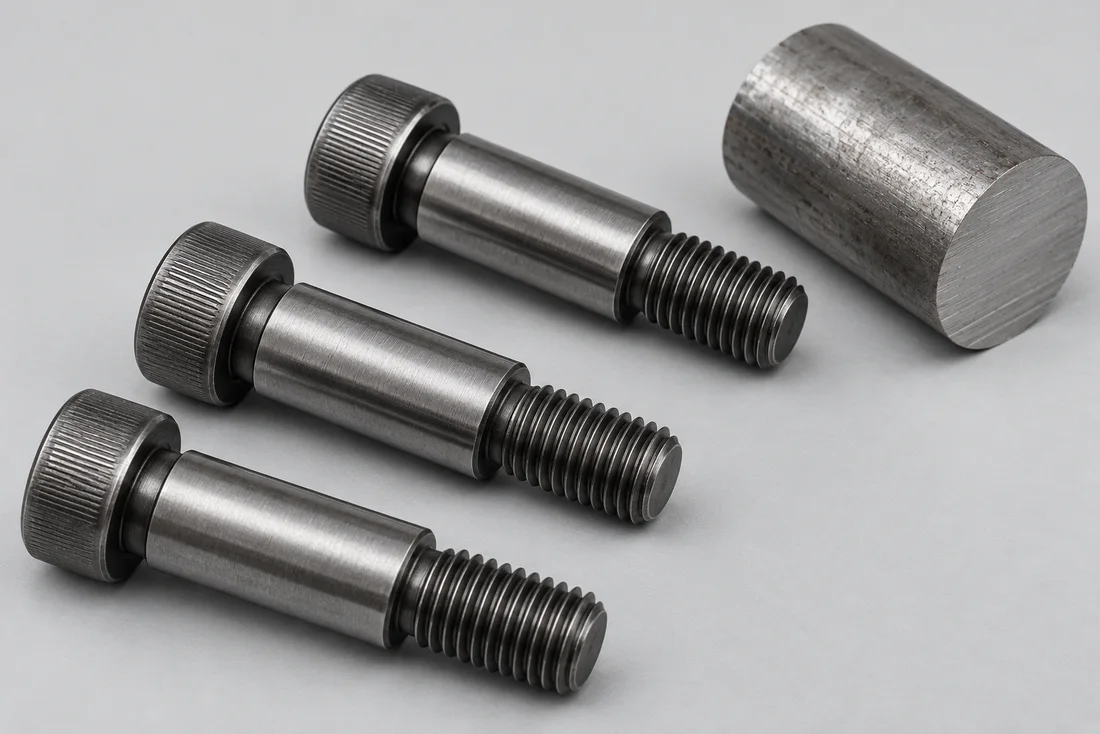
Carbon & Alloy Steel ↗
A practical choice for drawing-defined fasteners where the required mechanical class, wear behavior and surface protection can be specified together.
Strength, uses & specification →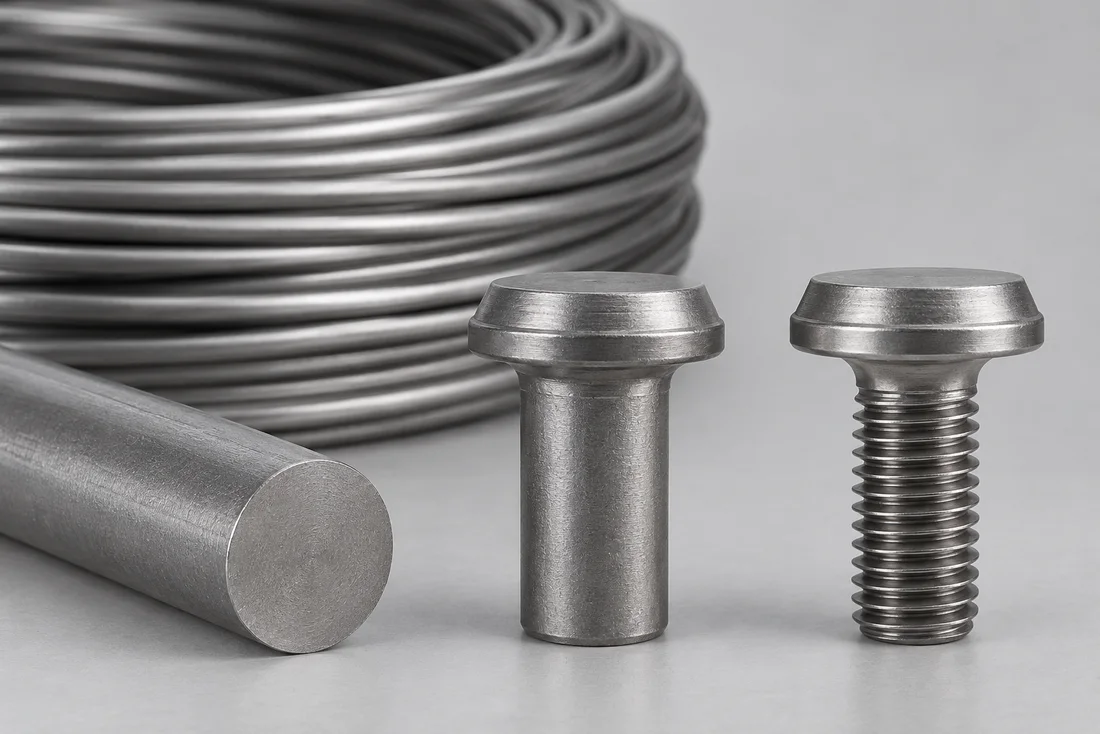
10B21 Boron Steel ↗
A boron-alloyed steel grade considered for formed fastener routes when the drawing, final material condition and required properties are defined.
Strength, uses & specification →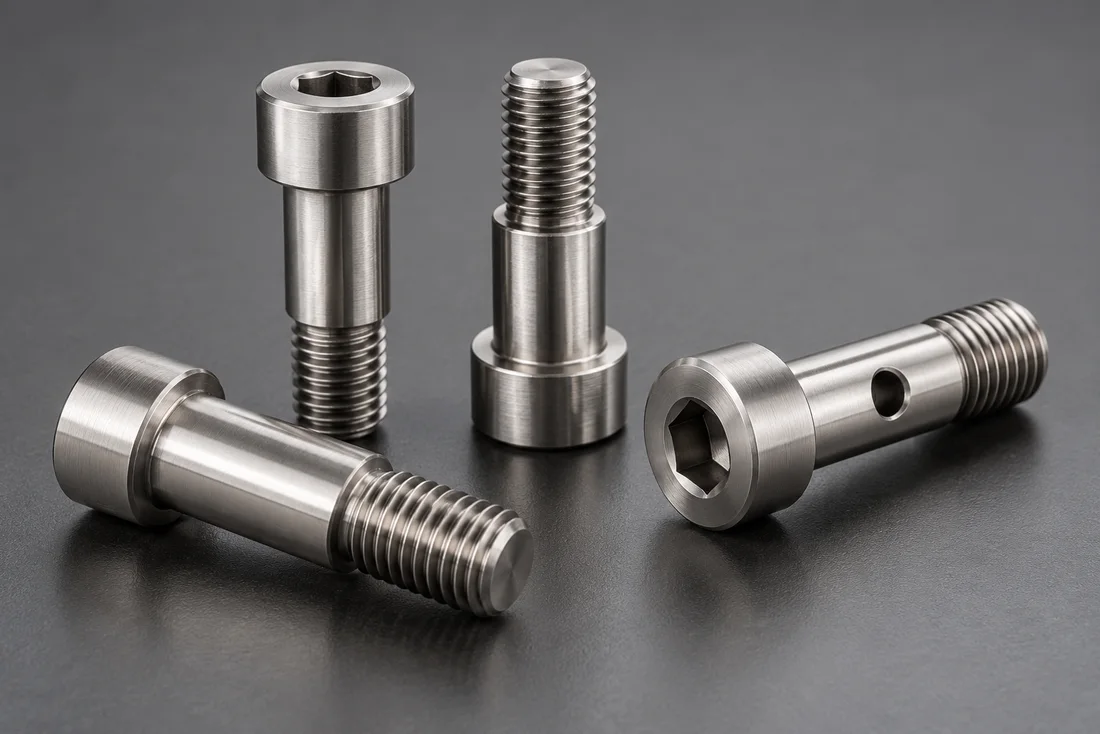
SUS304 & SUS316 Stainless Steel ↗
Austenitic stainless choices for parts where corrosion exposure, surface condition and the specified fastener strength class need to be considered together.
Strength, uses & specification →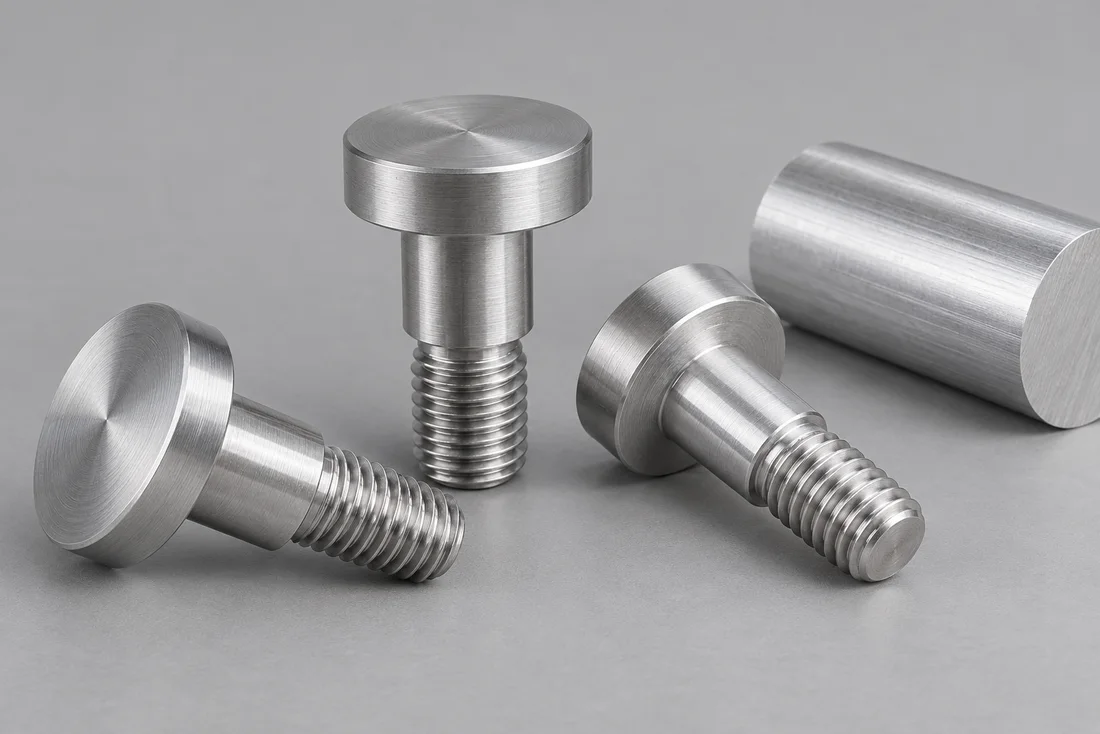
Aluminum Alloys ↗
Lightweight metal options for custom threaded parts where the alloy, temper, engagement and surface requirements can be engineered for the application.
Strength, uses & specification →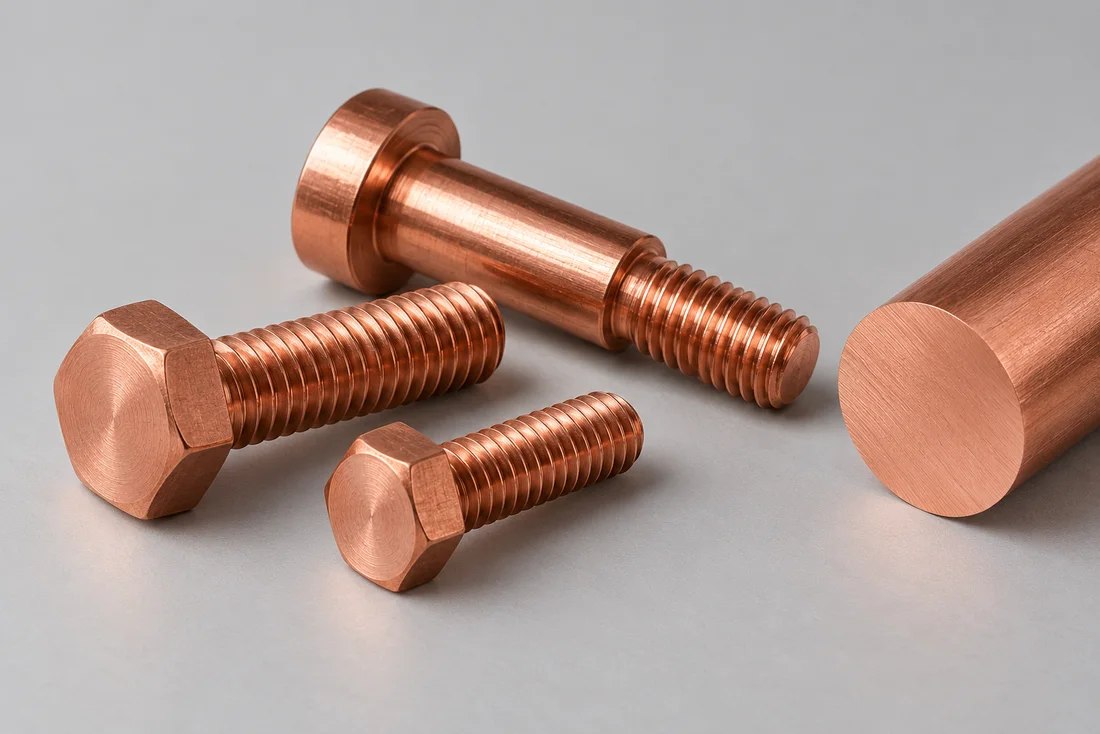
Copper ↗
A material family considered where electrical or thermal function is important alongside the geometry and mechanical acceptance of the custom component.
Strength, uses & specification →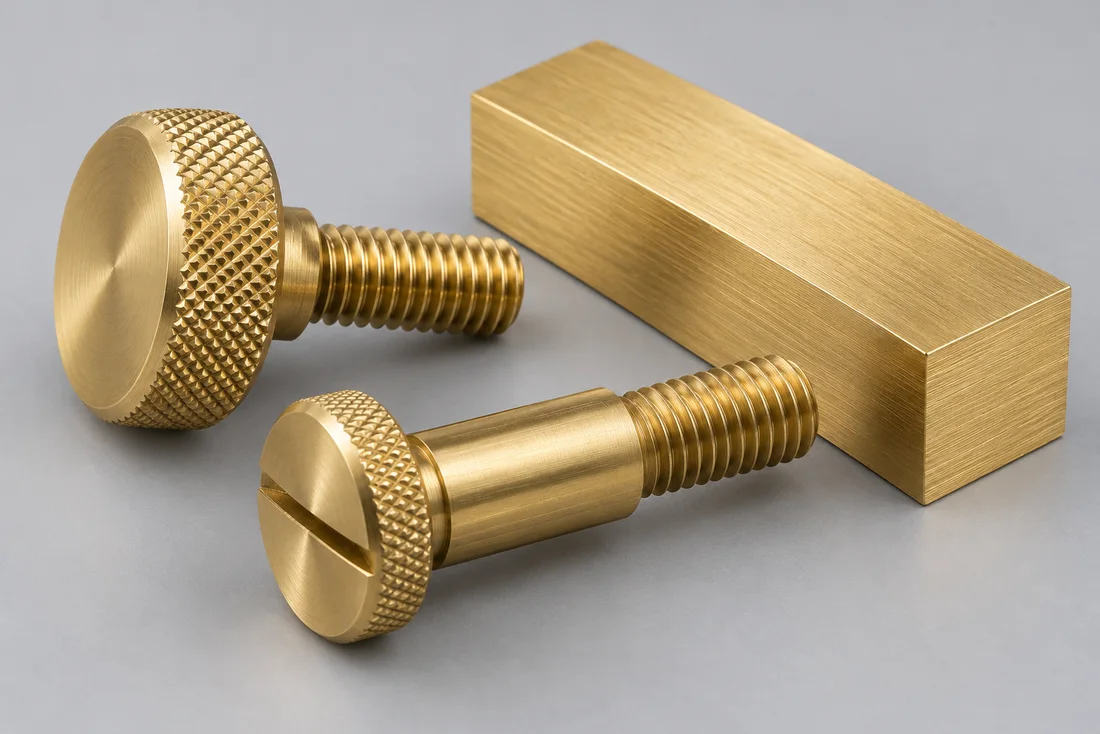
Brass ↗
Copper-zinc alloys can be useful for drawing-specific machined threaded components where machining behavior, contact conditions and the selected alloy composition fit the application.
Strength, uses & specification →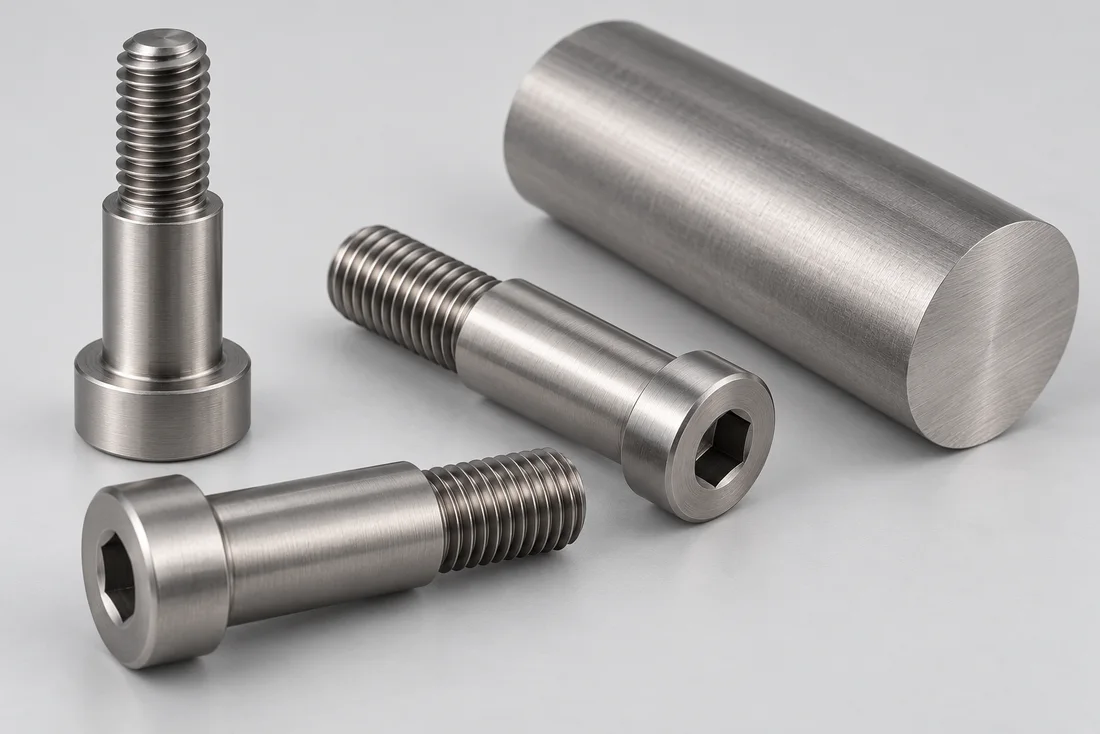
Titanium & Titanium Alloys ↗
Titanium grades are considered where mass, corrosion exposure and required mechanical properties justify a grade-specific manufacturing and verification plan.
Strength, uses & specification →Read strength together with its condition.
MPa = N/mm². Tensile strength Rm, yield/proof stress and permissible joint load are different quantities. The table combines clearly labeled fastener-class and stock-material examples for orientation; they are not interchangeable acceptance data.
| Material / condition | Rm (MPa) | Yield / 0.2% stress (MPa) | Reference basis |
|---|---|---|---|
| Carbon & Alloy Steel 8.8 nominal class reference | 800 | 640 | Nominal designation values; actual standard minimums depend on applicability and size. |
| 10B21 Boron Steel 10B21 in the required final condition | Specify for the order | Specify for the order | Forming, heat treatment and final requirements determine the supplied properties. |
| SUS304 & SUS316 Stainless Steel ISO 3506 class 70 reference | 700 minimum | 450 minimum | Applicable austenitic fasteners; confirm grade, size and product scope. |
| Aluminum Alloys 6061-T6 / T6511 extruded stock example | 260 minimum | 240 minimum | Hydro extrusion reference: tensile-test section thickness determines applicability; confirm the ordered size and specification. |
| Copper C11000, H02 half-hard reference | Approximately 290 typical | Specify for the selected stock | CDA design-guide stock reference; other tempers and forms differ. |
| Brass C36000 rod, H02 reference | 386 typical | 310 typical | CDA typical rod values; use the ordered alloy/temper specification for acceptance. |
| Titanium & Titanium Alloys Ti-6Al-4V annealed material example | 895 minimum | 828 minimum | Titanium Engineers annealed stock reference; size, condition and heat treatment affect properties. Confirm the ordered product specification. |
Nominal class values, minimum specification values and typical stock values are labeled separately. Actual acceptance requires the applicable grade, condition, size, product specification and agreed test method.
Select around the application.
- Required mechanical properties and joint function
- Corrosion exposure, temperature and mating metals
- Mass, conductivity, wear and appearance priorities
- Manufacturing route, coating and thread engagement
- Material evidence and final-part verification
Material is one part of the route.
A stronger stock material does not automatically produce a stronger connection. Head geometry, thread engagement, section changes, surface condition and the mating component still need review.
Read the material selection guide ↗Choose material and finished strength together
Use a common set of functional, environmental and acceptance requirements before comparing grades and conditions. Separate material stock figures from finished fastener classes and assembled joint performance.
Follow the material and strength selection workflow ↗Have a drawing? Let’s review it.
Share your drawing, quantity and application requirements with our team.