 ZUFEK
Core Custom Screws
Shoulder, security, hollow, flange, hand-adjustment and set screw designs for daily engineering requirements.

From everyday shoulder screws to compound threaded components, explore the functional features that matter to your application.
Shoulder, security, hollow, flange, hand-adjustment and set screw designs for daily engineering requirements.
T-heads, eyes, rings, U-bends, square heads and other geometries shaped around mounting and adjustment.
Fine pitches, special profiles, modified tips and stepped or tapered shanks defined by the drawing.
Multiple locating features, cross holes, press-in features and mixed threaded sections in one custom part.
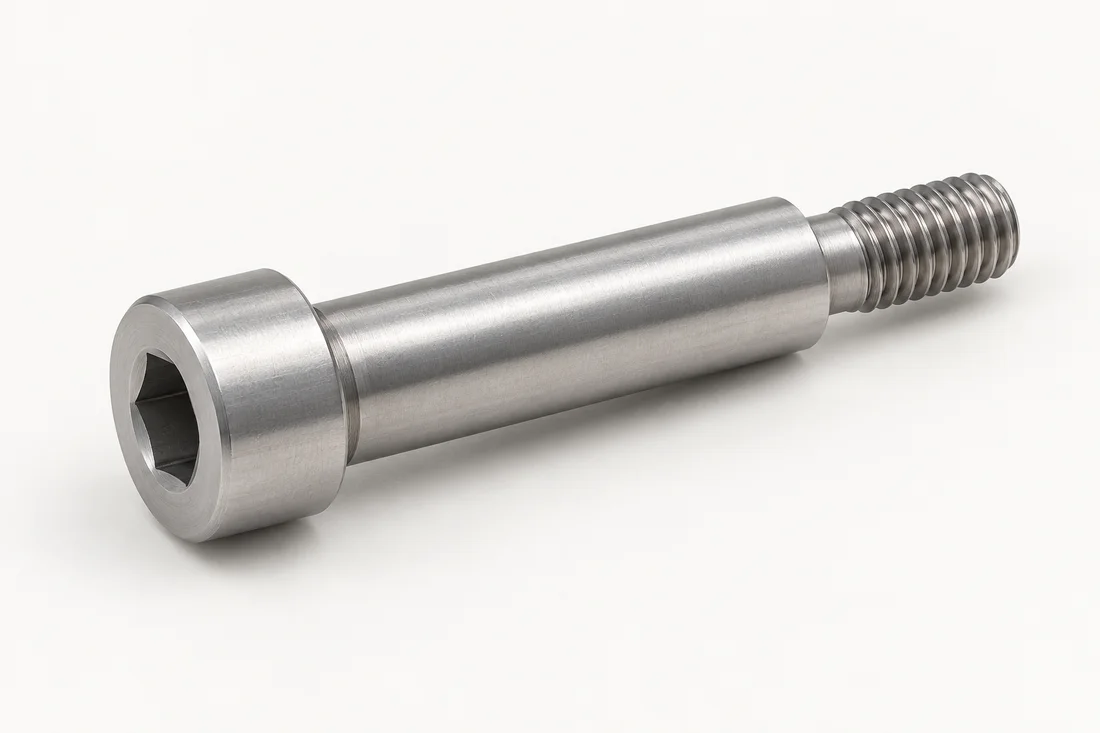
A head, a locating shoulder and a threaded section combine fastening with controlled spacing or movement.
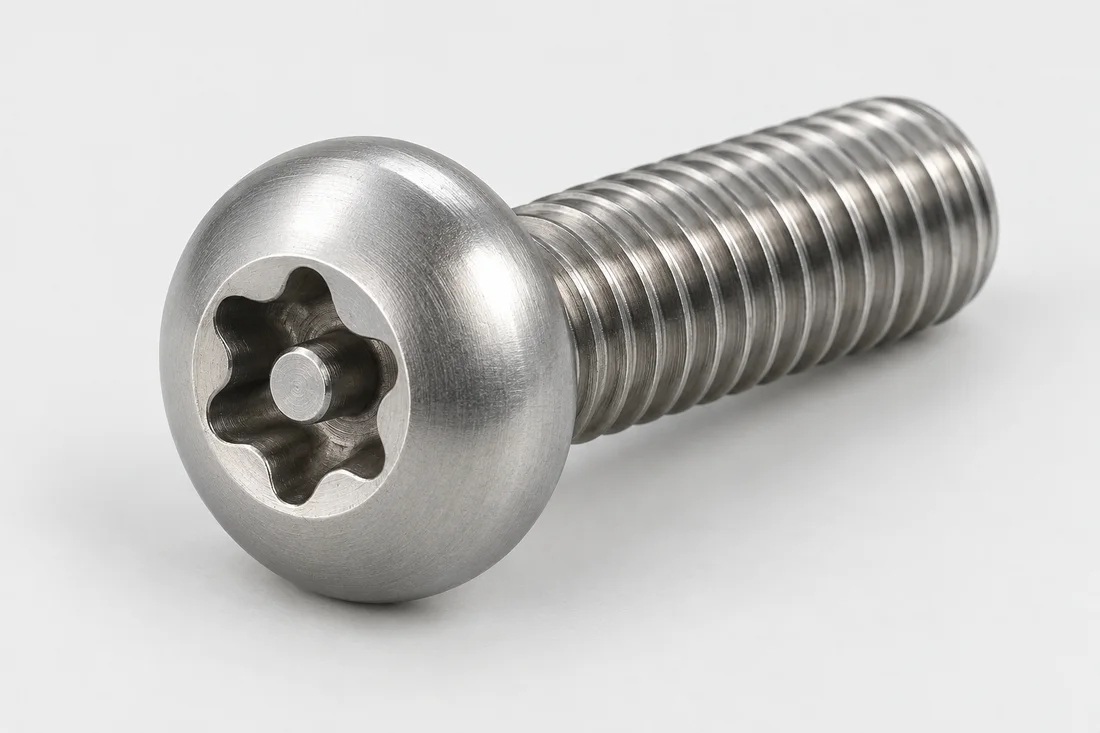
Special drive interfaces help restrict casual access while allowing an approved service tool to operate the screw.
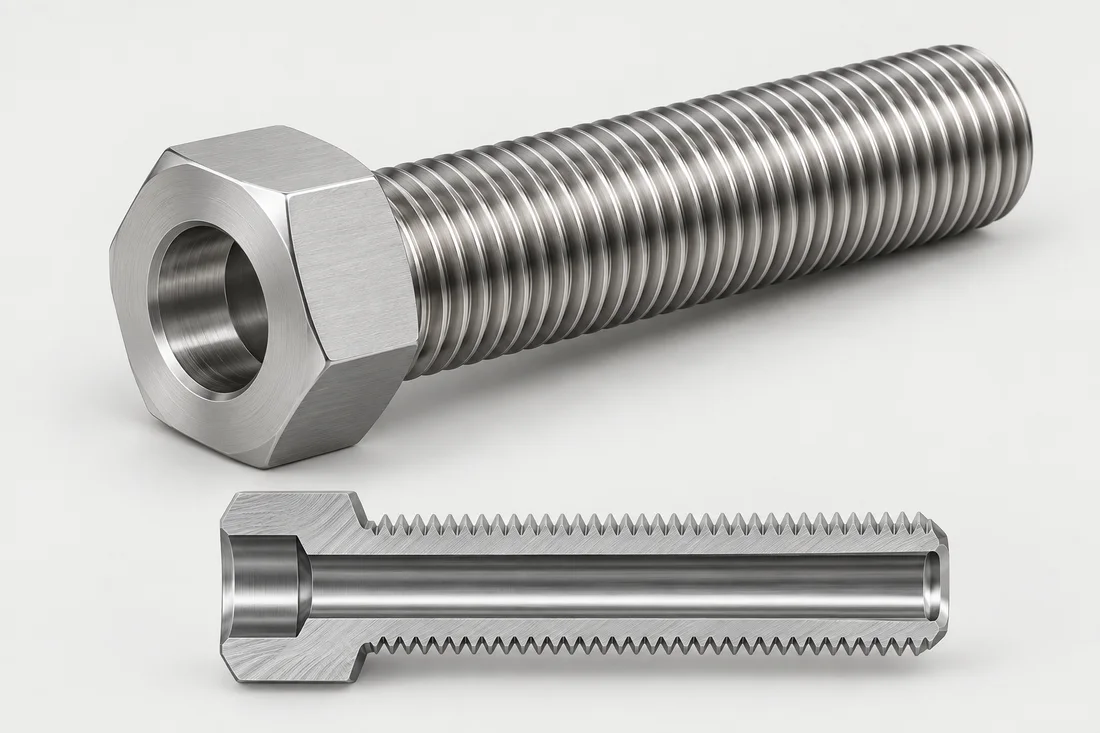
An axial bore creates a passage through a threaded component for an application-specific routing or flow requirement.
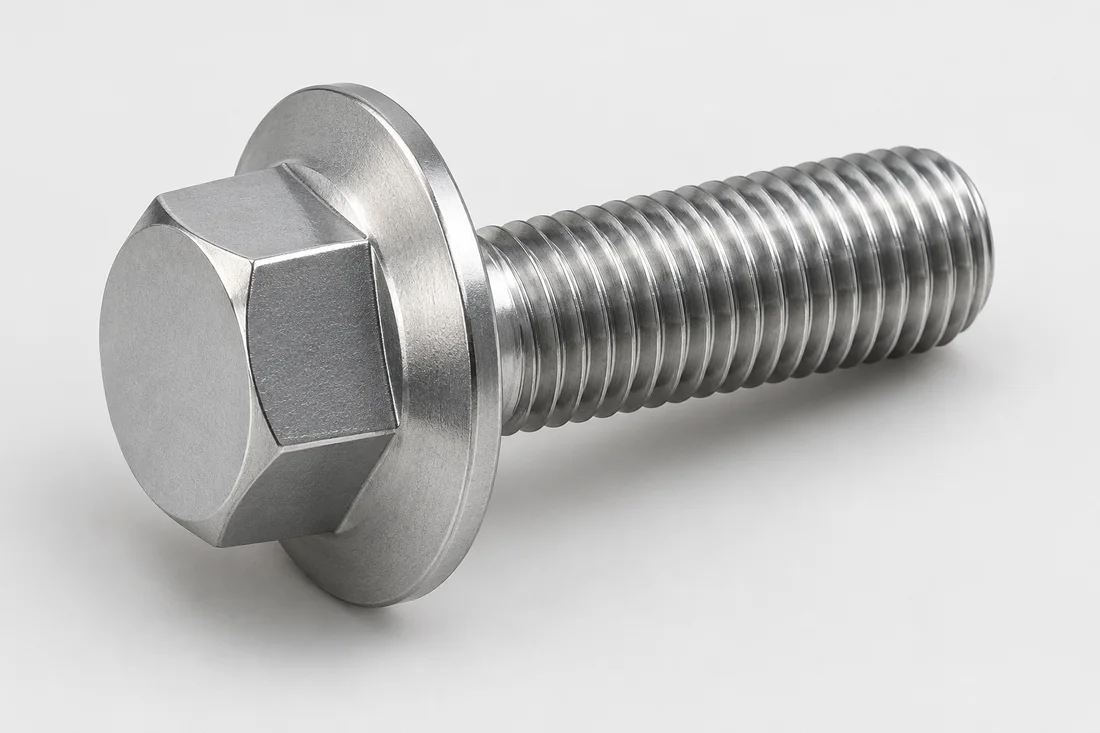
An integral flange provides a drawing-defined bearing footprint without a separately handled washer.
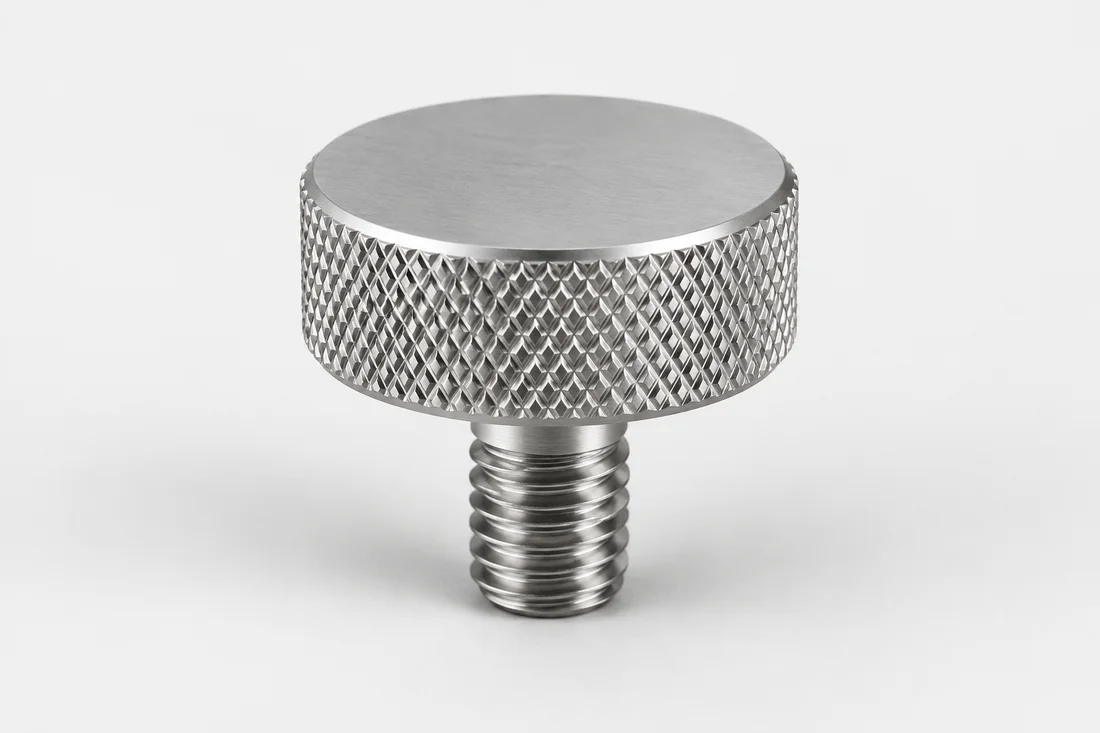
A grip-oriented head supports manual adjustment, with optional tool drive for the specified assembly method.
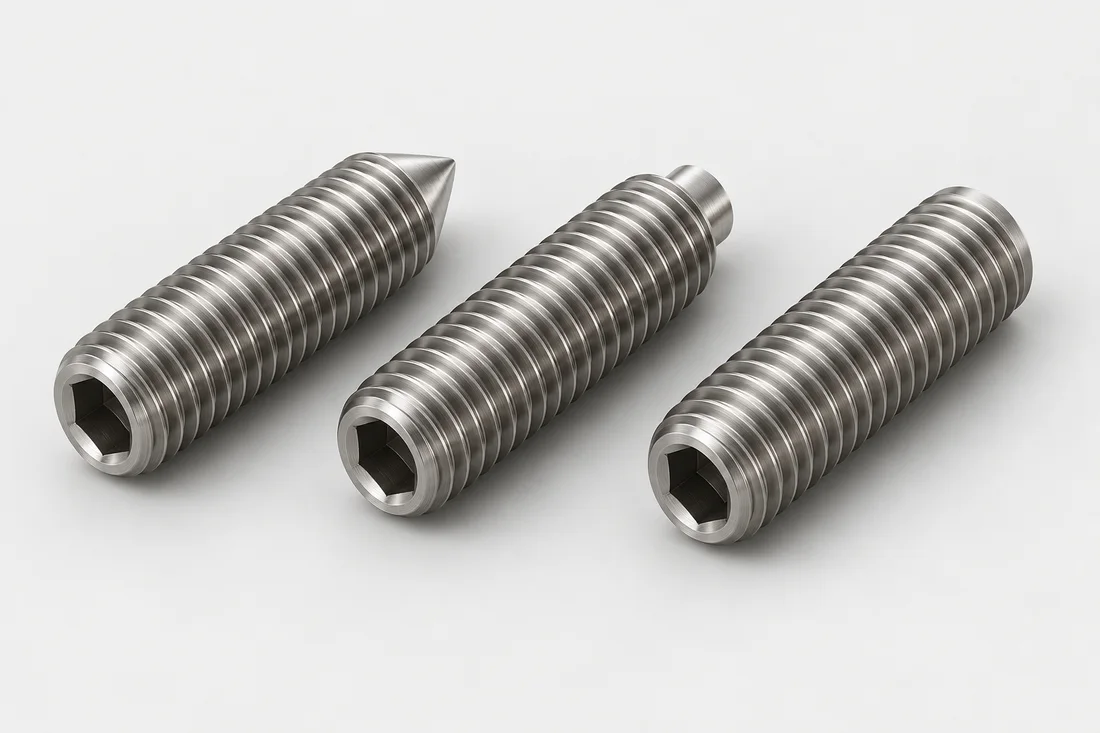
Headless threaded components transfer a locating or clamping action through a specified tip.
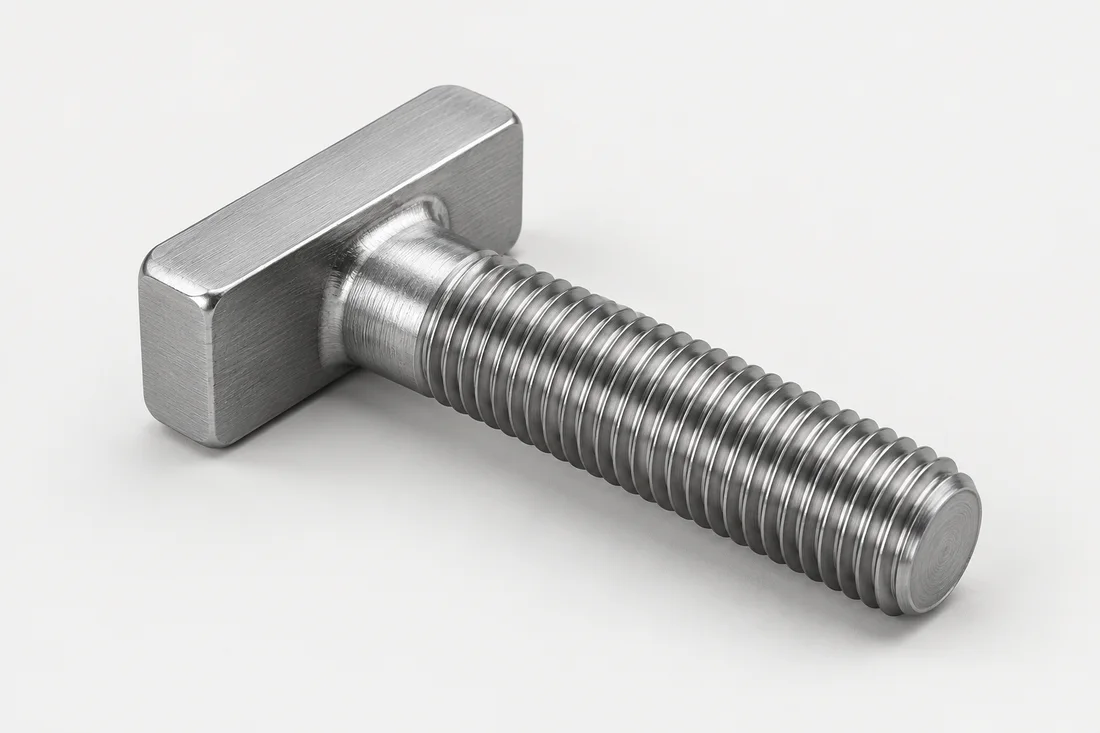
A drawing-specific T-head engages a matching slot for positioning or clamping.
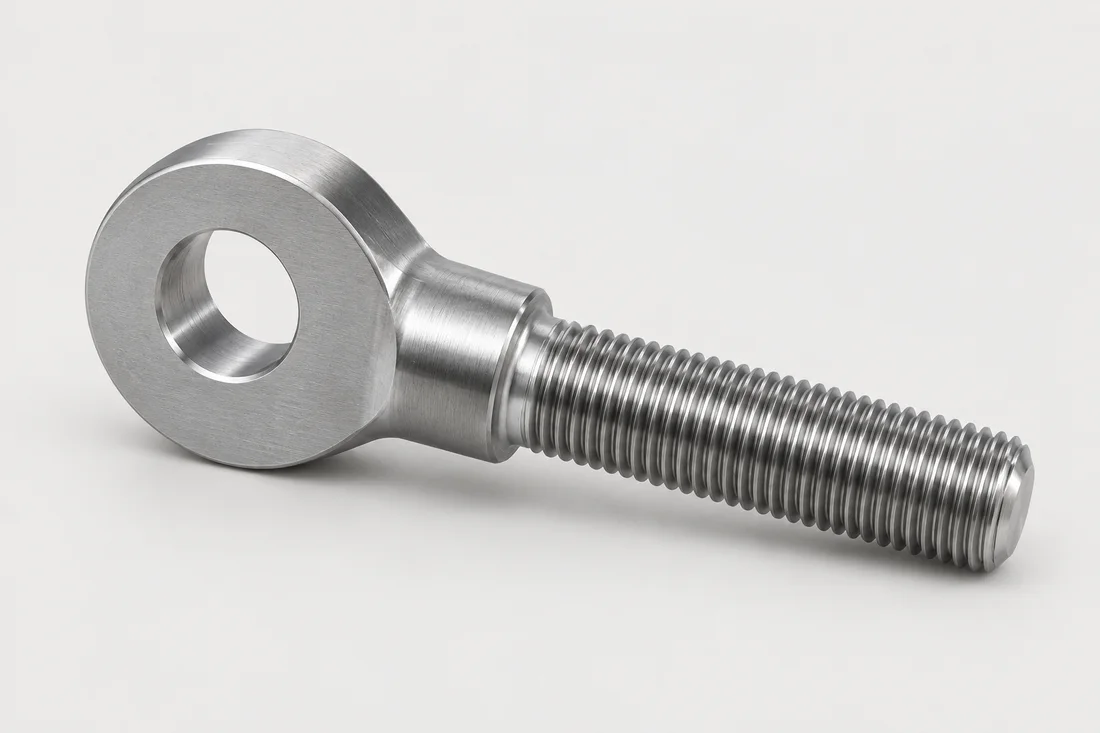
An eye or fork-style end connects a threaded shank to a pin or articulating joint.
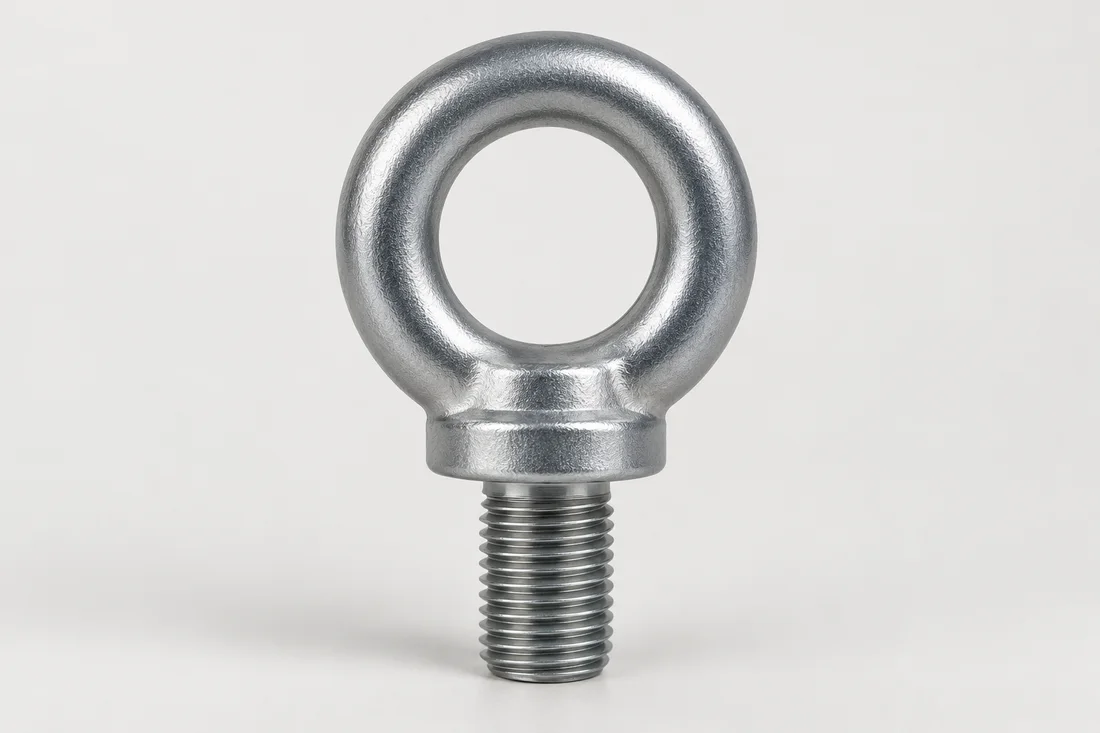
Drawing-defined ring and shank geometries for engineering review of lifting-related requirements.
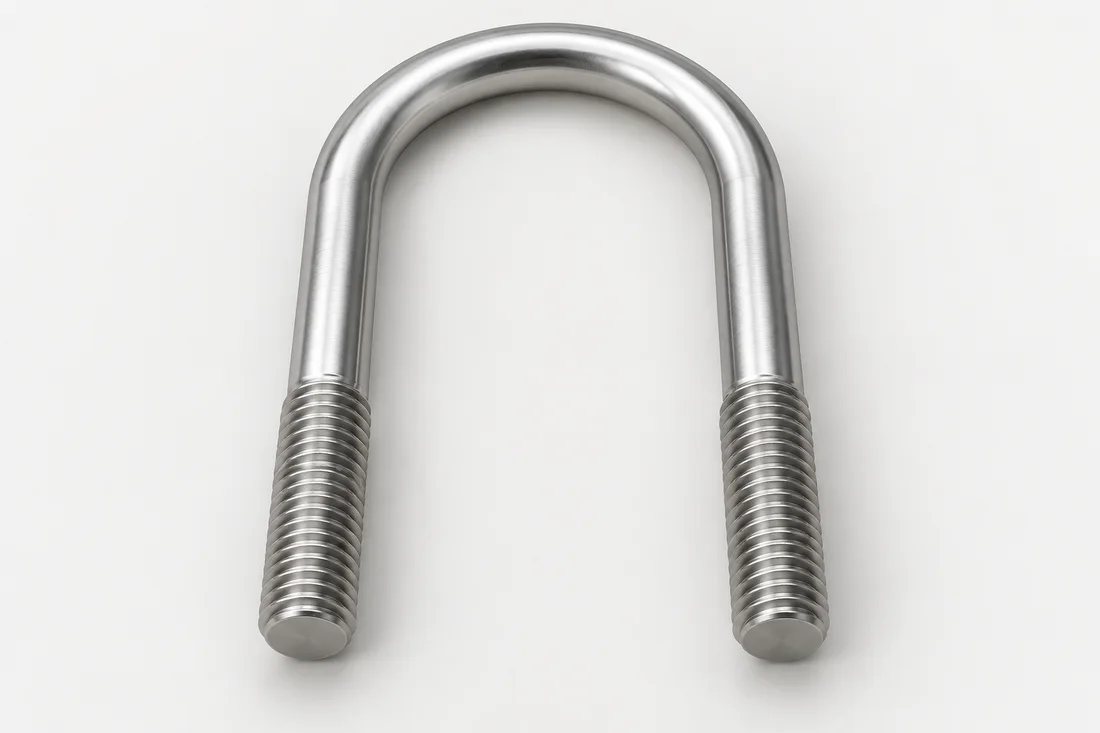
A bent shank and two threaded legs follow the dimensions of the pipe, frame or clamped component.
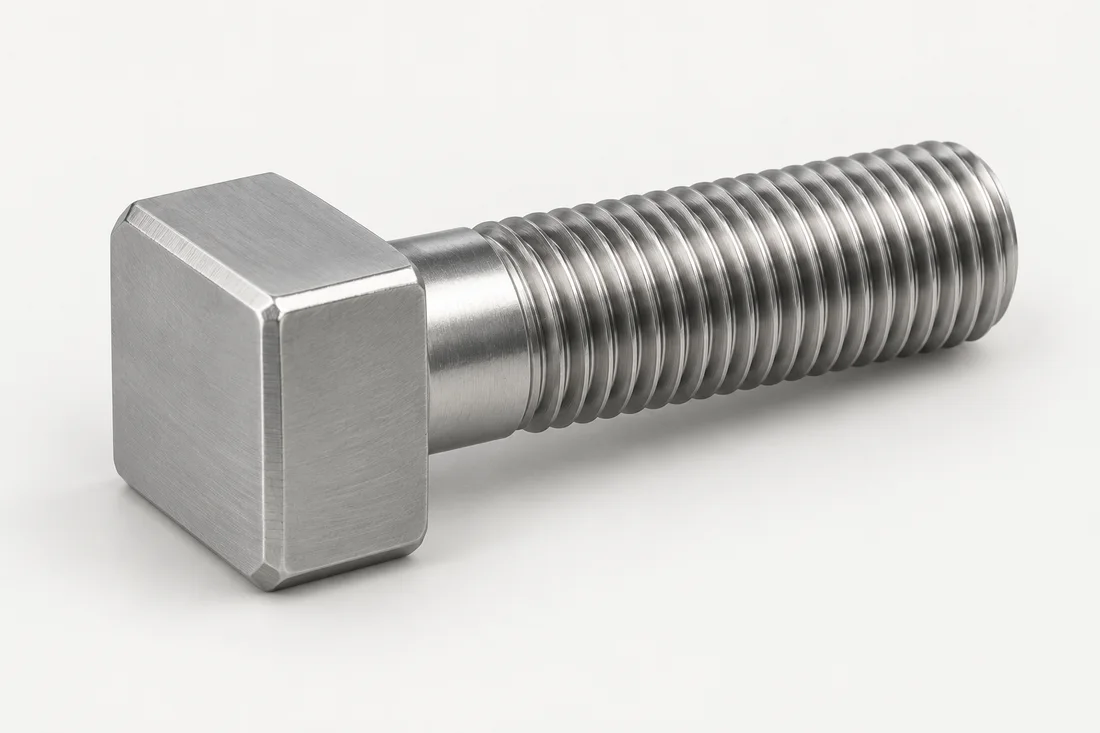
A square tool interface or captured head supports application-specific access and anti-rotation needs.
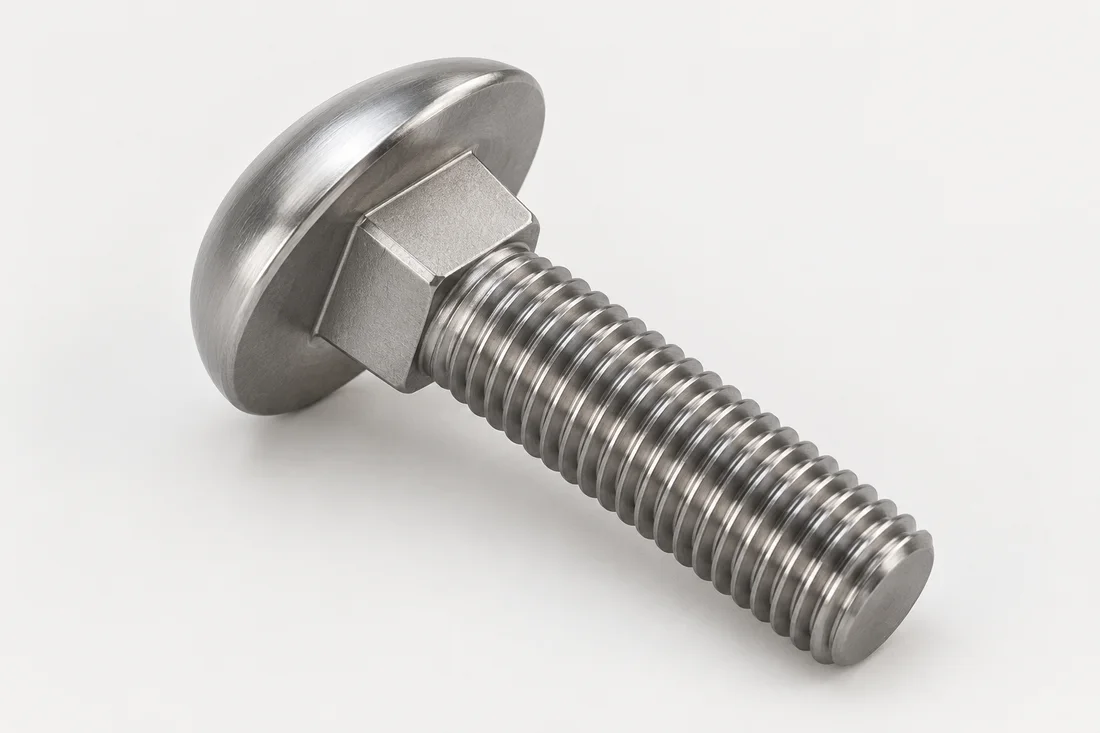
A round head and drawing-defined square neck provide an anti-rotation interface with the mating component.
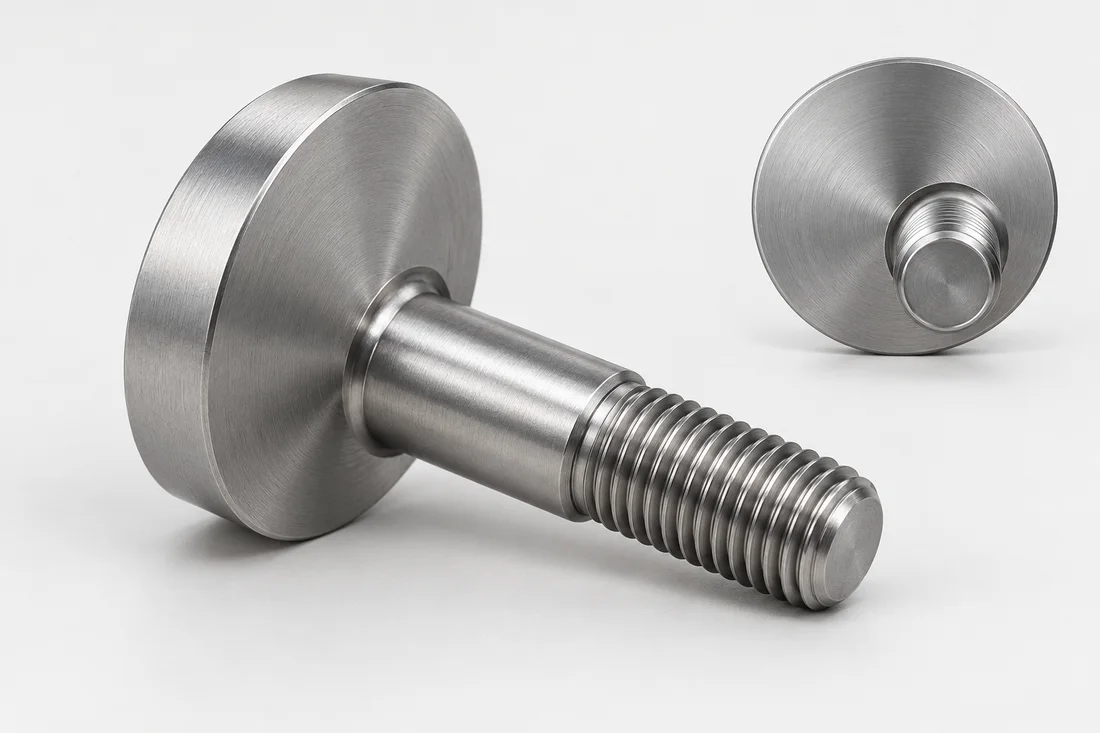
An offset or angled feature converts an adjustment into a controlled change of position.
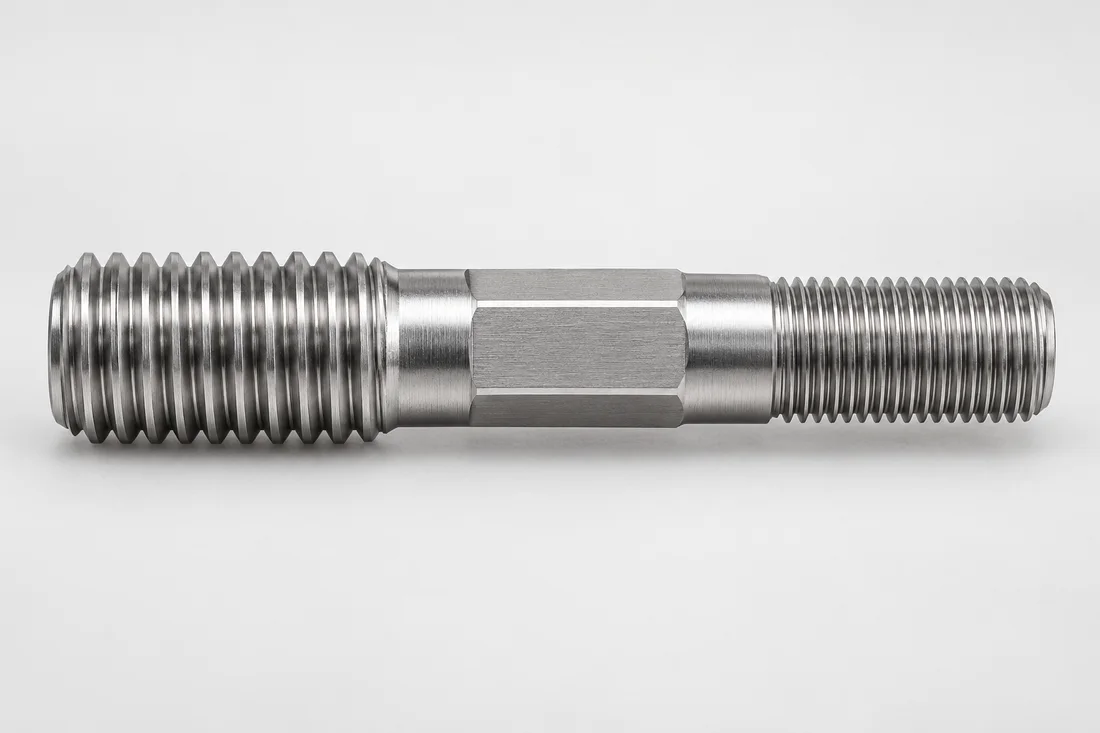
Two threaded ends can use different diameters, pitches or engagement lengths, separated by a custom center section.
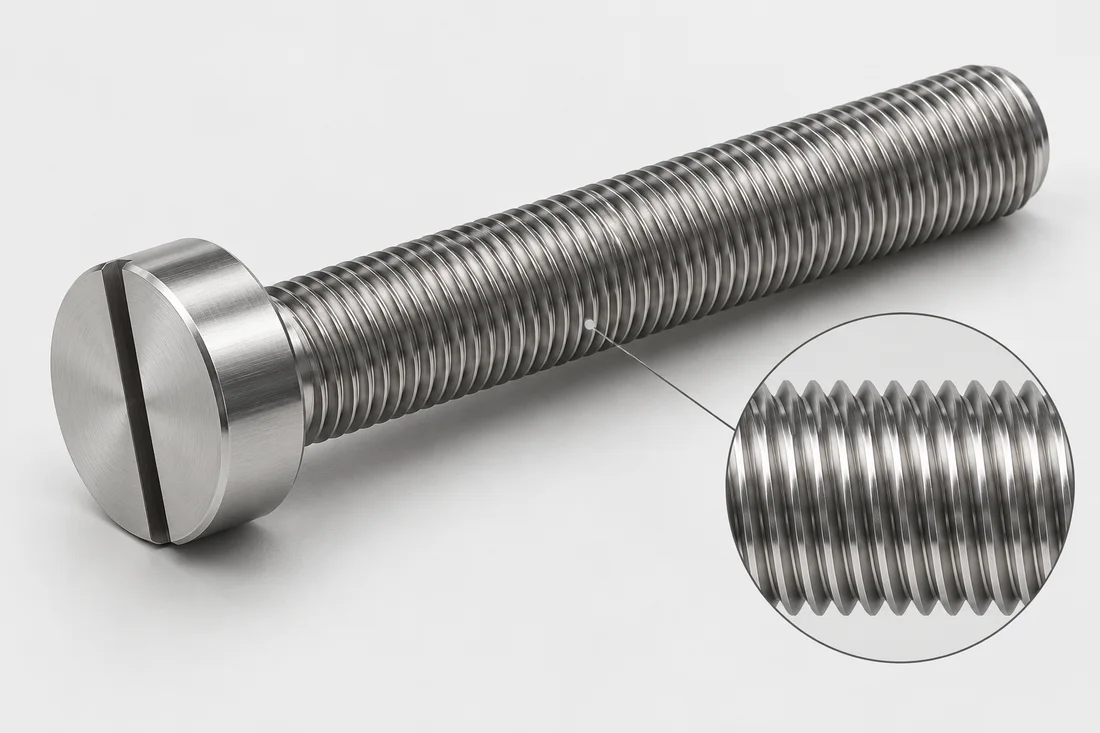
Drawing-defined fine pitches support adjustment and engagement requirements where a standard selection does not fit.
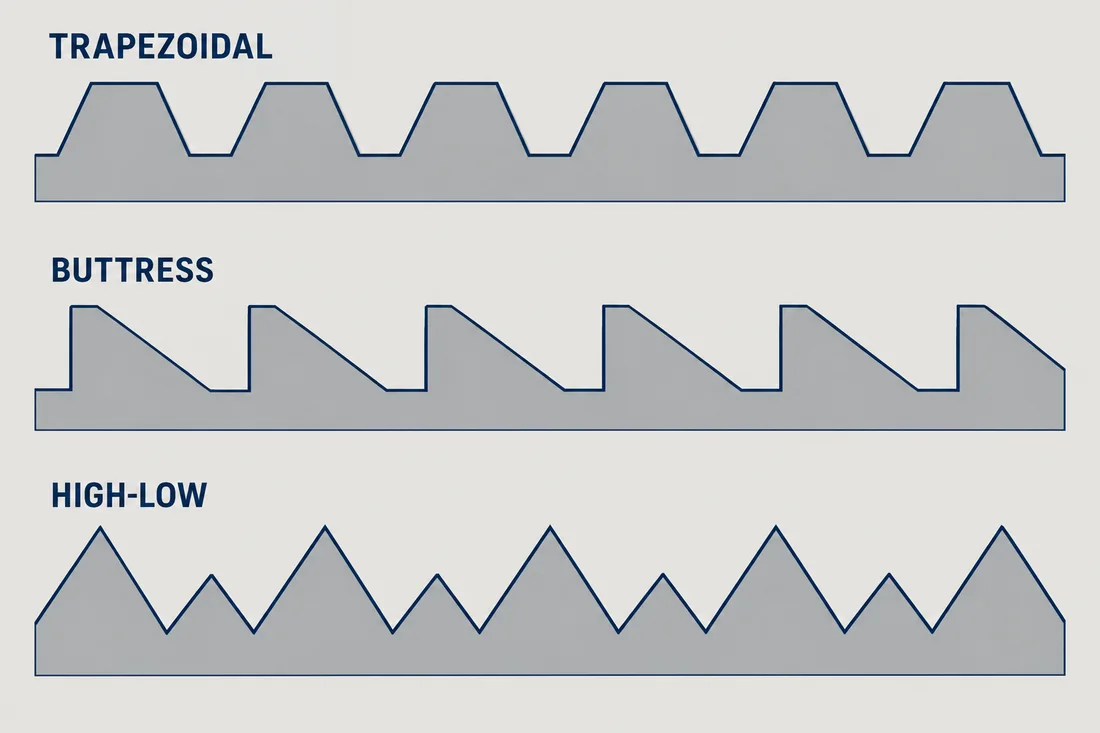
Trapezoidal, buttress, high-low and compound thread arrangements require an explicit profile and matching part.
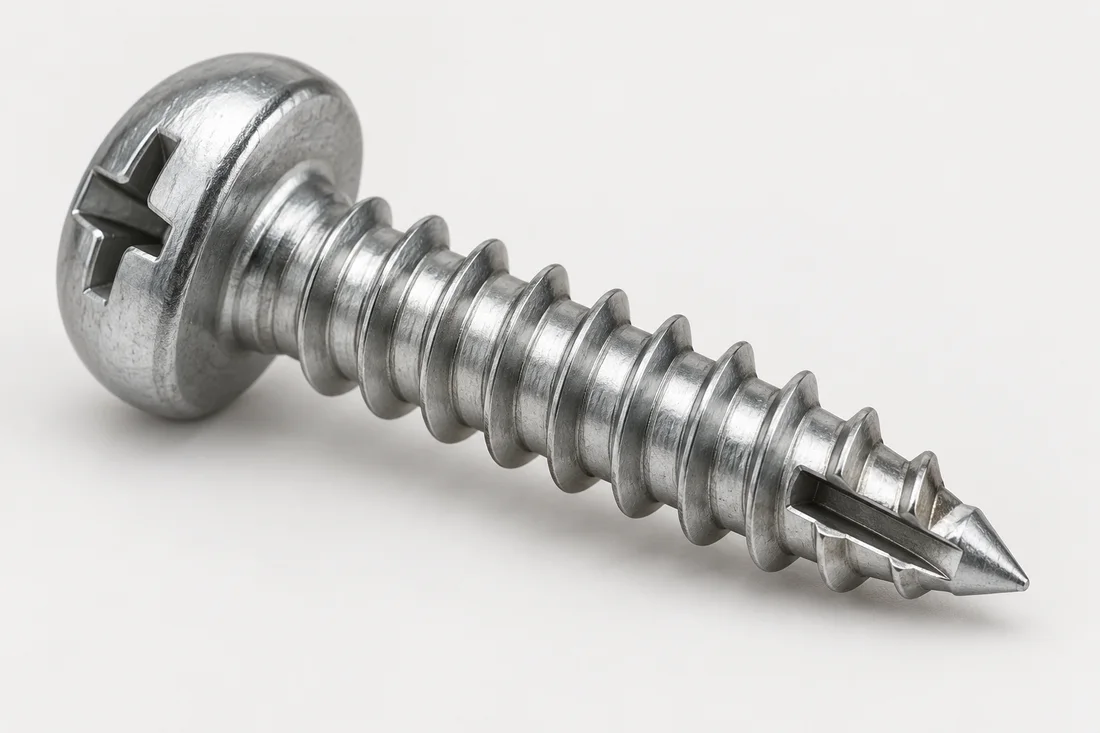
Slotted, cut or relieved ends can be specified around the actual material and hole condition.
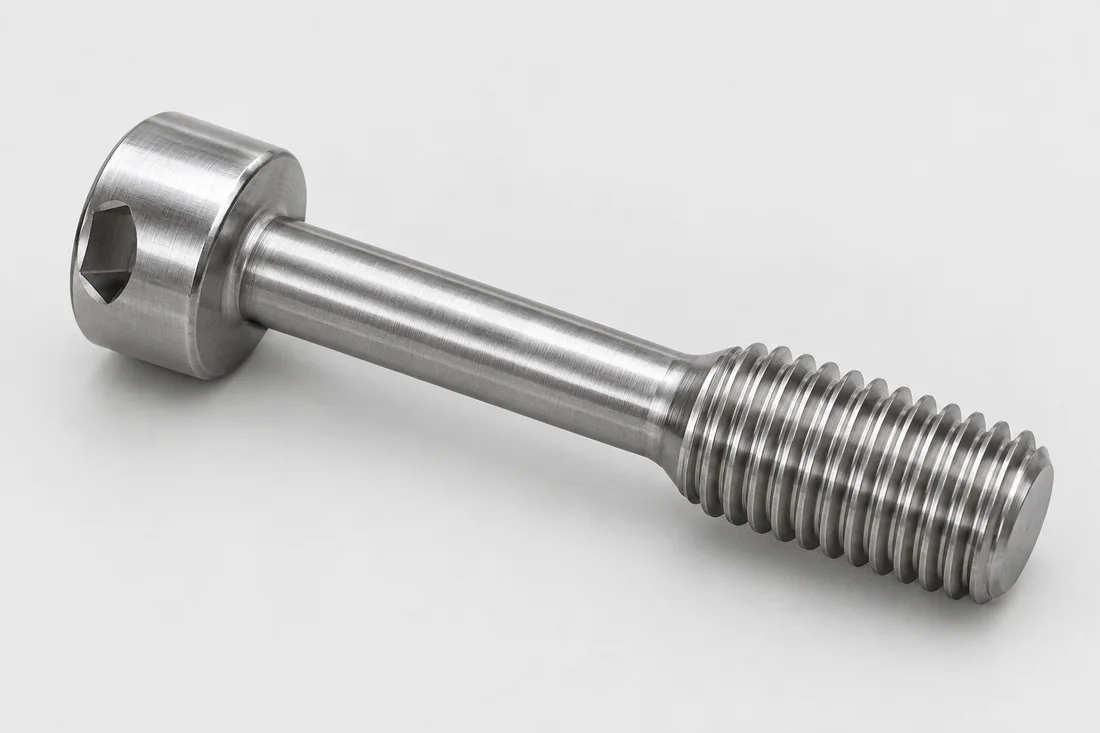
A reduced or stepped shank introduces a deliberate change in section between functional features.
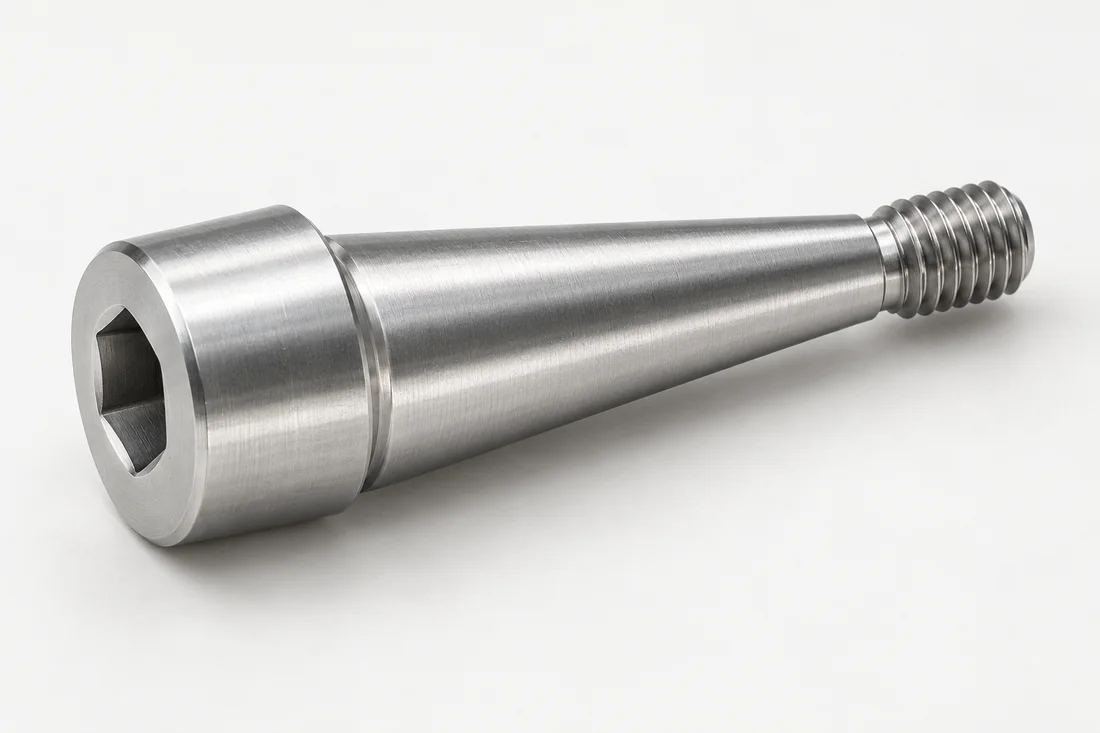
A defined taper or conical surface establishes a locating, contact or sealing interface with a matching component.
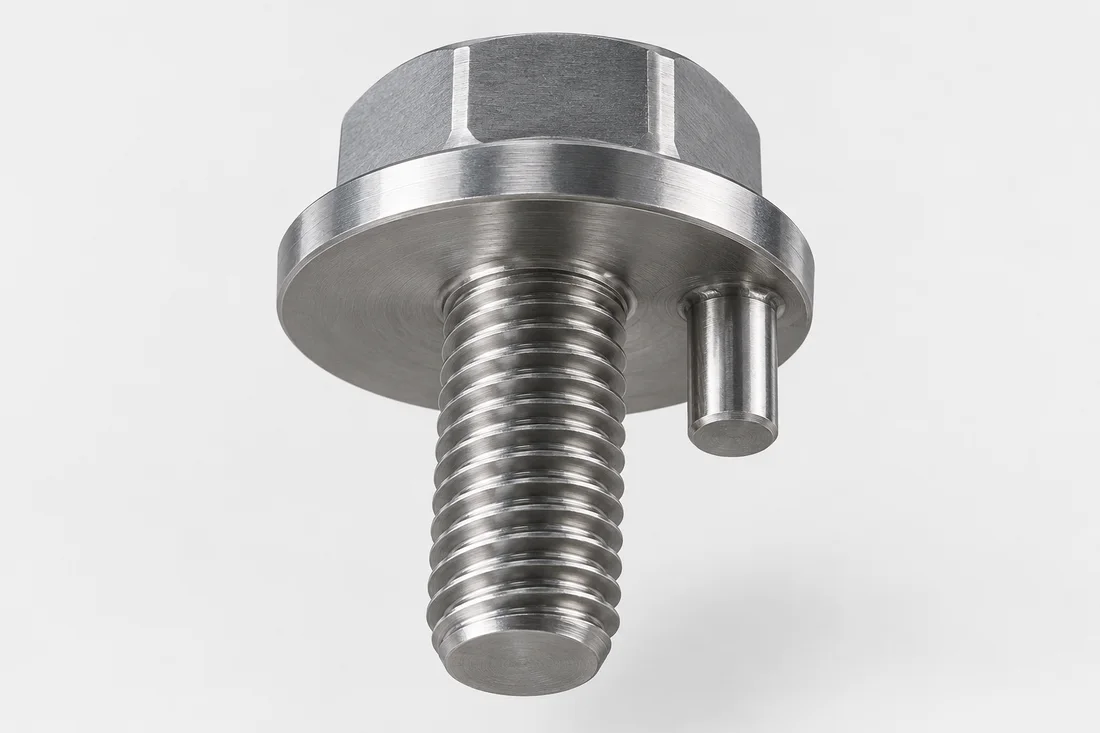
A local pin or locating extension combines a screw connection with a drawing-defined positioning feature.
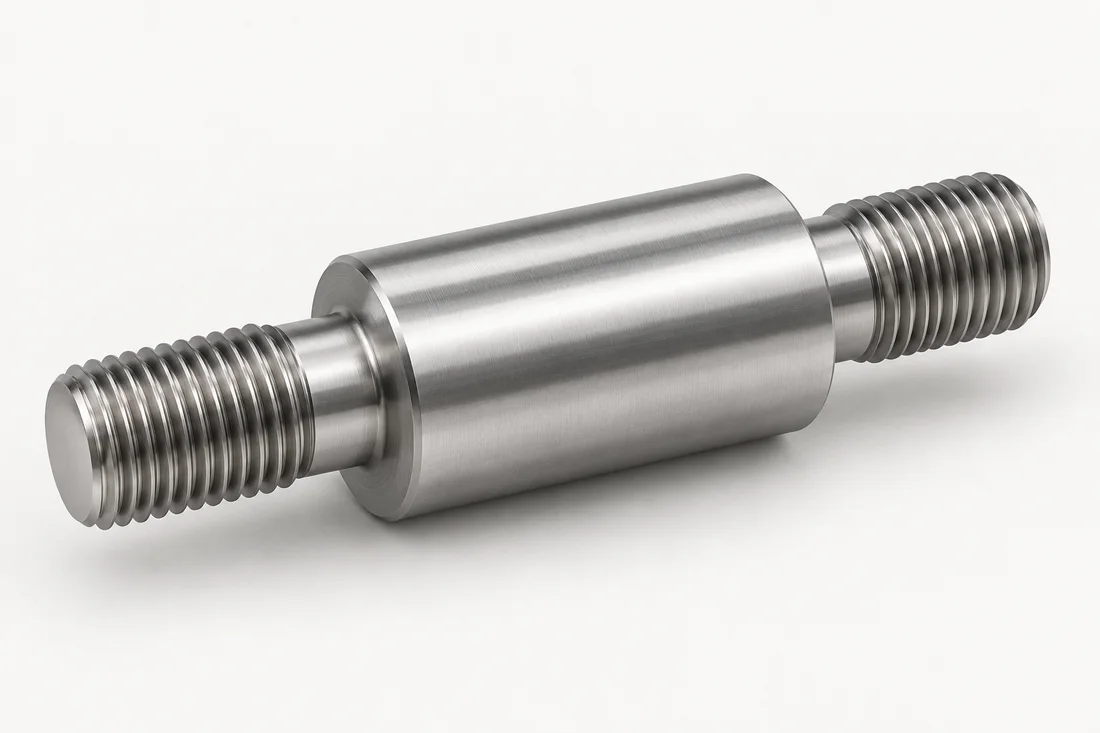
Two threaded ends and a larger central shoulder combine connection and axial location in one part.
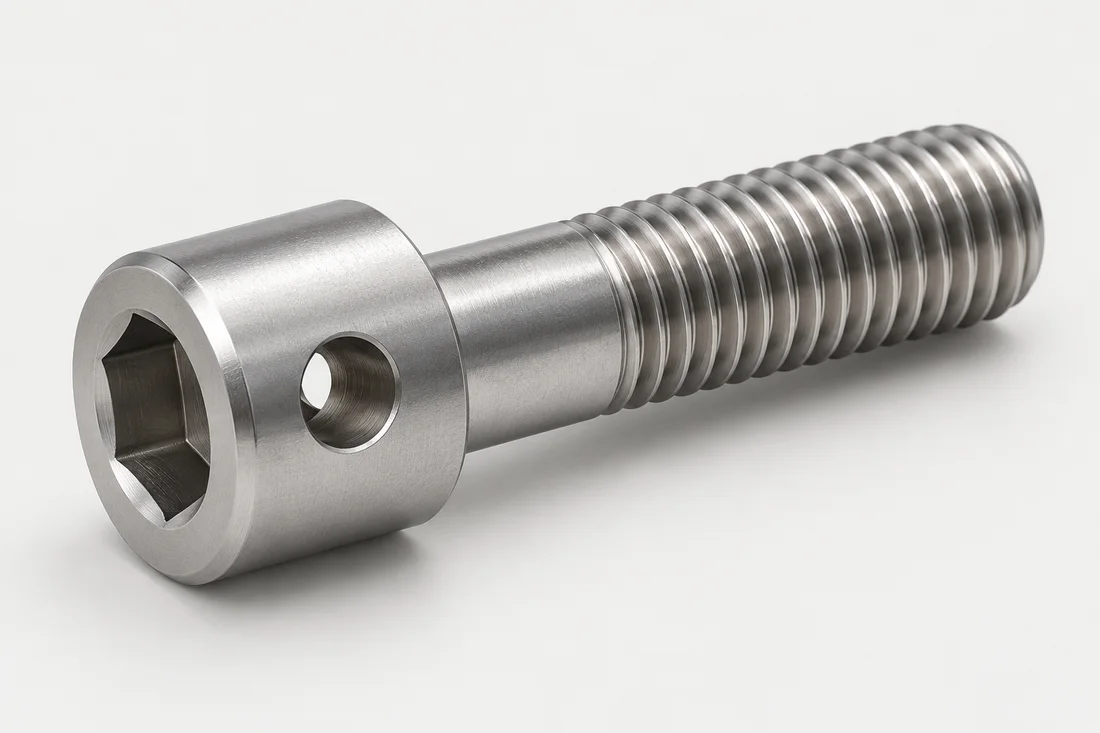
A radial or transverse hole provides a specified passage for a pin, wire or other assembly element.
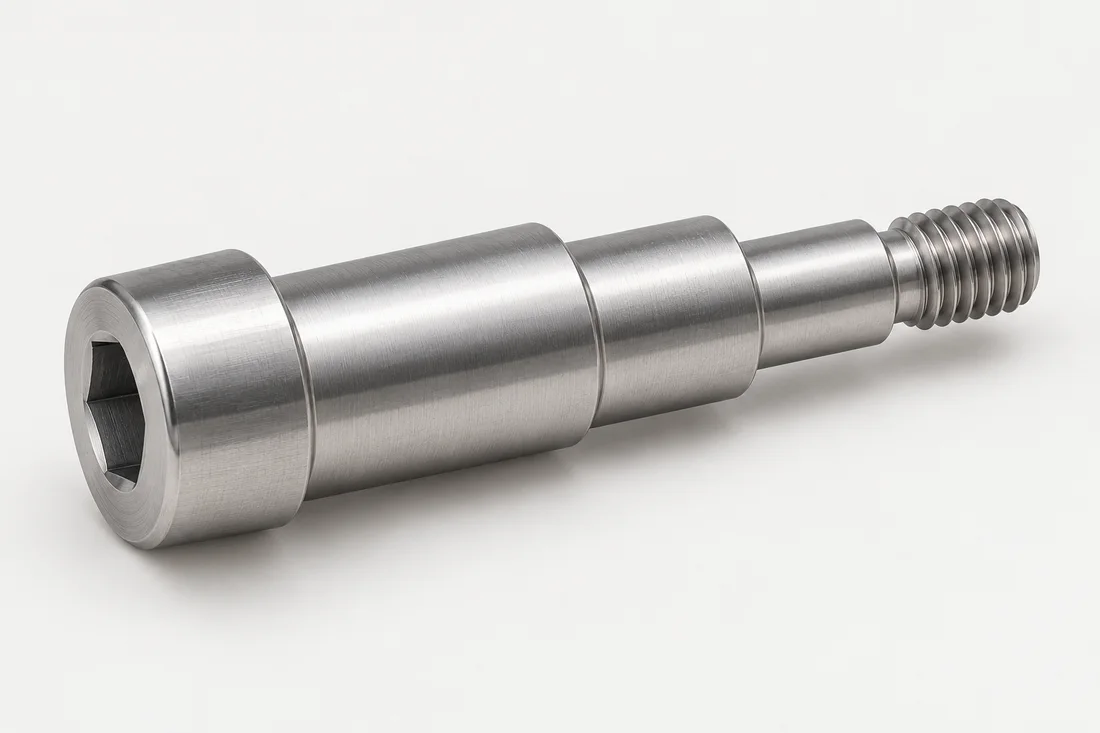
Several diameters and locating faces fit a more complex stack of mating components.
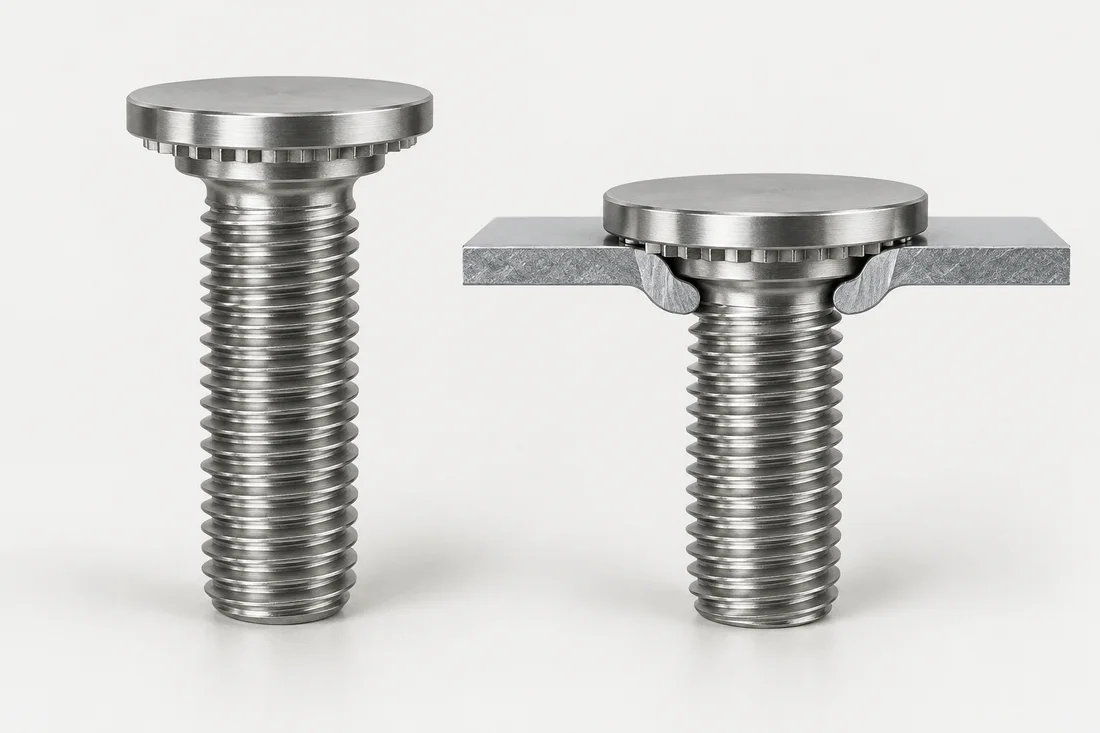
Drawing-specific press-in features can combine a threaded component with a sheet-metal attachment interface.
No matching families. Try another term or send your drawing for review.
Available material, manufacturing route, dimensions and acceptance requirements are confirmed against the drawing.
Share your drawing, quantity and application requirements with our team.