 ZUFEK
Start with the interface a standard screw cannot satisfy
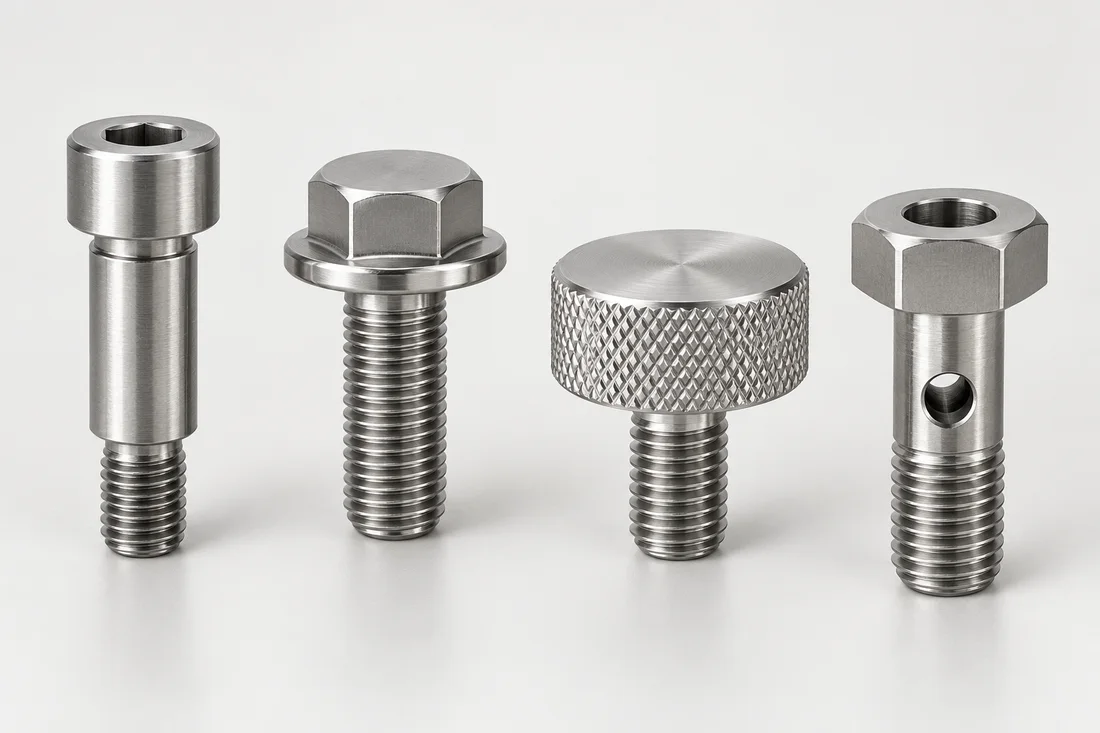
Use this route when the requirement combines features or does not fit a single product family. Identify the reason for customization: inaccessible drive, unusual bearing face, mixed threads, internal passage or several locating steps. Separate essential interfaces from dimensions that can be discussed during manufacturability review.
Turn an early concept into a controlled specification
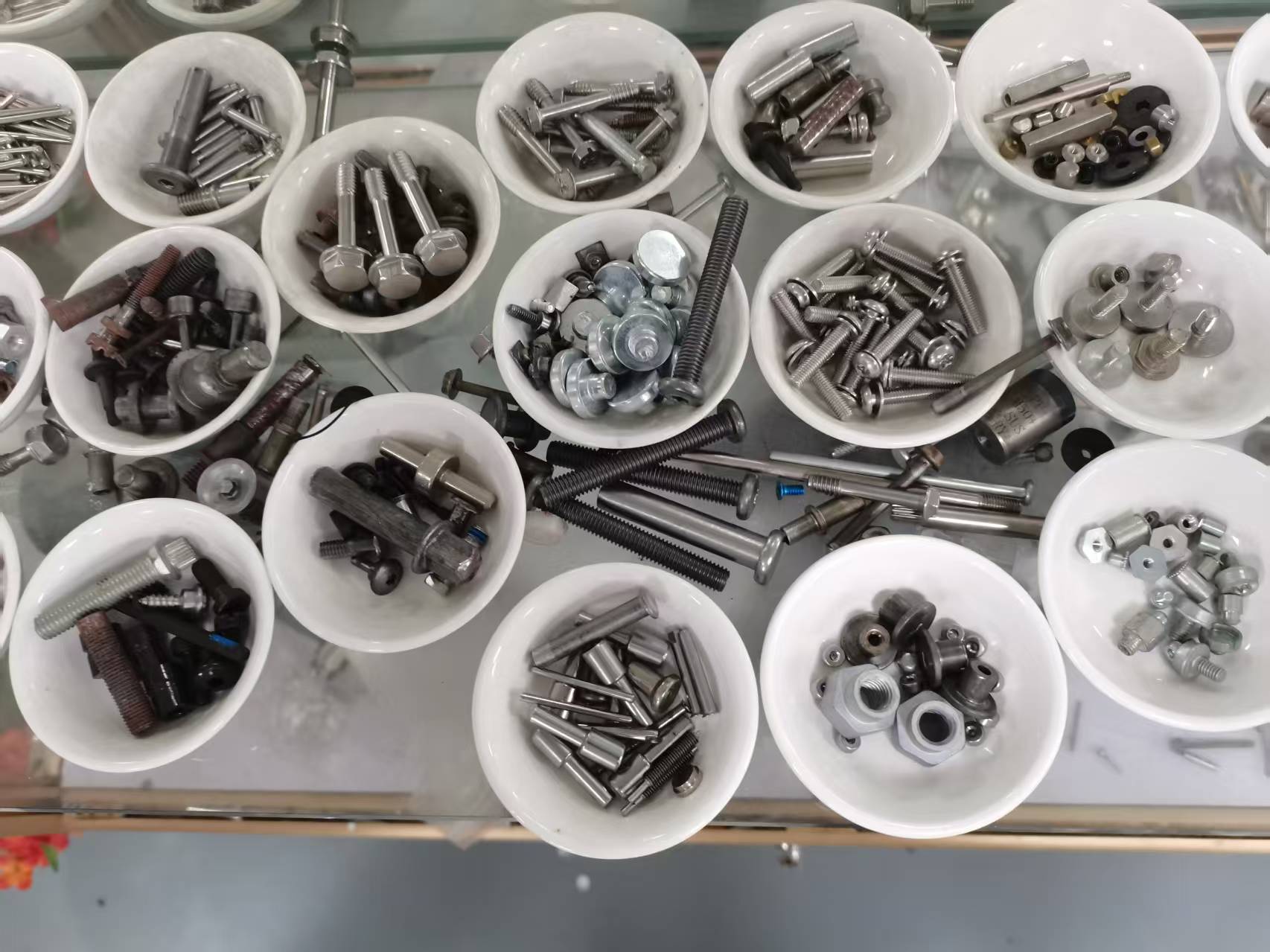
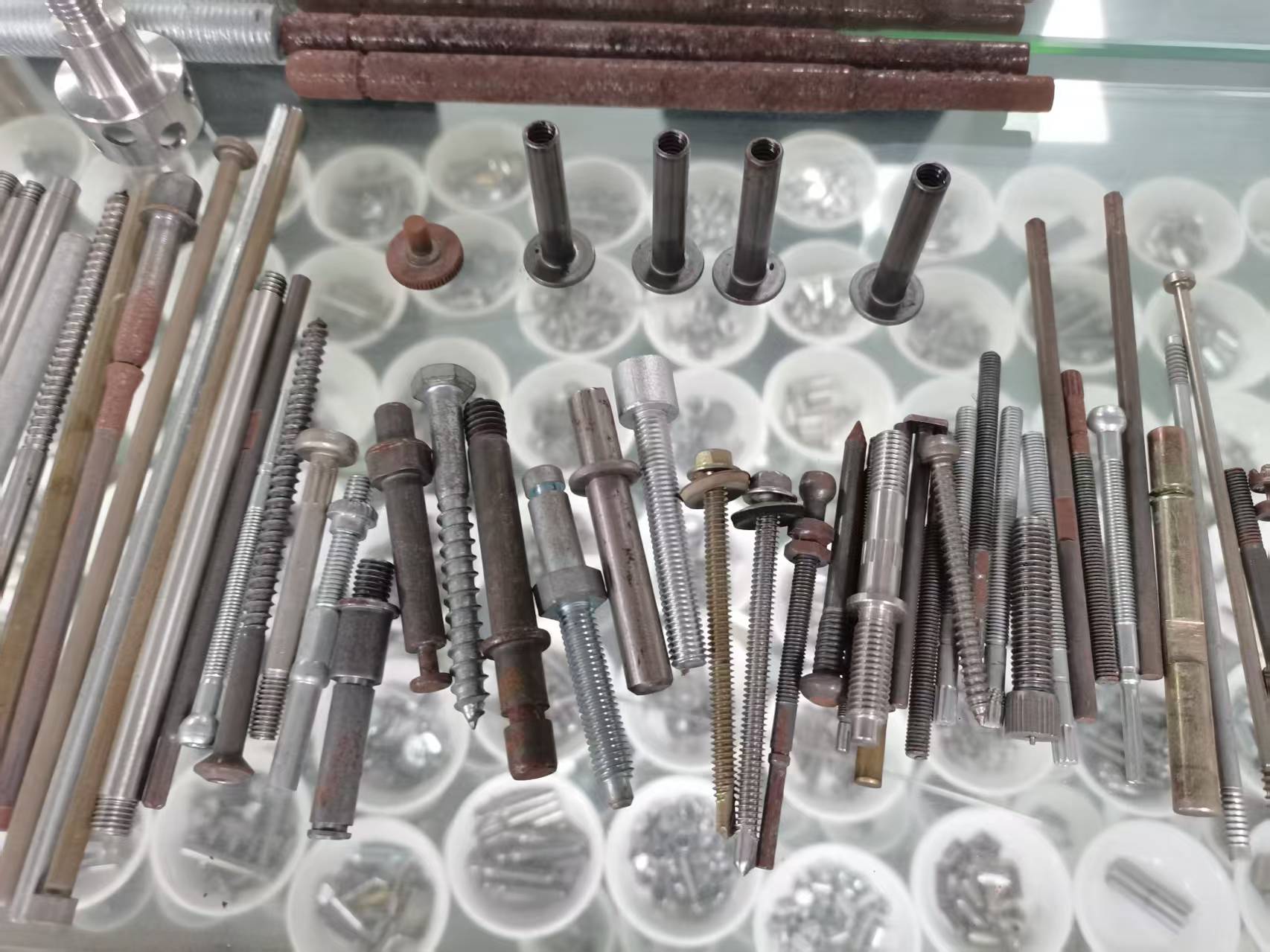
Send a drawing with units and revision, or a sample with a dimensioned sketch. Identify unresolved requirements explicitly. A sample is useful for understanding shape, but cannot establish the original alloy, heat treatment, hidden tolerances or approval criteria. Agree those requirements before treating a sample as a production specification.
Compare the complete manufacturing proposal
Review tooling, forming or turning, secondary features, thread generation, treatment and final checks together. A low initial forming cost may be offset by additional finishing, while a machined prototype may not represent the preferred repeat-production route. Compare sample and recurring order quantities using the same approved specification.
From drawing to approved samples
Provide the drawing, material, finish and intended assembly. Identify the drawing revision, prototype quantity and expected repeat demand. Where the first part is based on an existing sample, separately confirm material and hidden features rather than inferring them from appearance.
The typical sampling lead time, including tooling, is approximately 10–15 days. The schedule is confirmed after drawing review and agreement on the sample specification; material availability, special treatment and inspection requirements can affect the confirmed date. Confirm when the agreed schedule starts in the quotation. Sample approval and repeat-production delivery are separate milestones.