
 ZUFEK
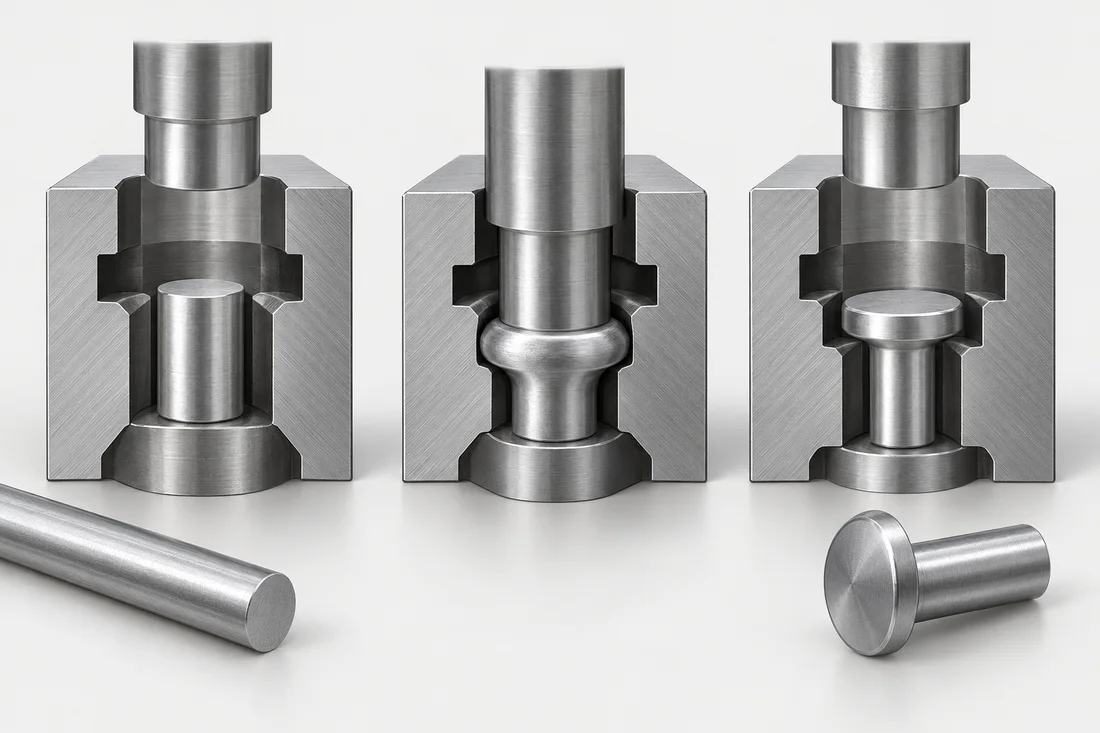
Gate 1: define what the prototype must prove
State the questions the first parts are intended to answer. They may concern tool access, assembly clearance, locating geometry, retained movement or the feasibility of a proposed route. Identify which material and surface conditions must already be representative and which are provisional. If the prototype is intended only for a fit check, record that limit. Do not allow a convenient early sample to become an implied approval of properties or treatment that were never evaluated.
Give each question an owner and an acceptance decision. The customer’s equipment designer should own assembly-level requirements and approve changes to the interface. The supplier should state manufacturing assumptions and exceptions. If a test or document is required, agree its scope and availability before committing to the sample programme. This avoids a late discovery that the chosen sample condition cannot answer the intended acceptance question.
Gate 2: freeze the information needed to manufacture
Confirm the part number, drawing revision, mating references, material and condition, treatment scope, functional dimensions and inspection requirements. Resolve conflicts between models, drawings and samples. If a manufacturing proposal changes a feature, obtain written approval through the controlled definition. Do not rely on an informal photograph or an untracked annotation to communicate a production change.
Define the scope of tooling or setup approval. A forming tool, special drive tool or dedicated inspection arrangement can depend on features that are still being refined. Ask which changes would require rework or a new approval cycle. Make those dependencies visible to the project planner. The cheapest route for a frozen drawing may not be the most practical route for a design that is still undergoing substantial revision.
Gate 3: agree the sample schedule and dependencies
Separate drawing approval, material availability, tooling, secondary operations, treatment and verification. State when the agreed sampling period begins and what customer decisions are required during it. ZUFEK typically discusses approximately 10–15 days for tooling and sampling, subject to technical review and confirmation. That is not a blanket lead-time guarantee for every material, treatment or documentation requirement. Repeat-production delivery is agreed separately.
Record what happens if the drawing changes during sampling. A revised interface may invalidate a tool, a sample or part of the planned evaluation. The project should decide whether to continue with the old revision for a limited question or stop and restart against the new definition. Do not let two revisions proceed under one approval label without identifying which result belongs to each.
Gate 4: review samples against the agreed evidence
Check the loose part against the drawing and the inspection plan. Review the material and treatment basis where those are part of the sample scope. If assembly evaluation is needed, identify the mating components and the question being answered. A part that passes a dimensional report may still require a defined assembly check; an assembly that seems to fit does not establish every material or dimensional requirement.
Create a sample decision record with accepted, rejected or conditionally accepted status for each open issue. Conditional approval needs a stated limitation and a closure action. For example, approval of a geometry sample before final treatment should name the outstanding treatment review. Avoid a single “sample OK” message that later teams interpret as approval of every possible delivery condition.
Gate 5: confirm the repeat-production route
The sample route and intended production route may differ. If a turned prototype will become a formed or hybrid part, review how the critical interfaces and required properties will be preserved. Identify which checks or approvals need repeating. A common nominal drawing is not, by itself, evidence that every route change is irrelevant to the delivered part.
Confirm the quantity assumptions behind the production quotation, including tooling, secondary operations, treatment, inspection, documents and packaging. Discuss the effect of smaller repeat orders or a different order pattern. Separate manufacturing readiness from purchasing readiness: a supplier can be capable of making the part while the programme still lacks an approved inspection plan or release reference.
Gate 6: release the production control package
The package should contain the approved drawing and revision, route assumptions or approved exceptions, material and treatment requirements, inspection plan, sample approval, lot identification and packaging instructions. Identify who can approve later deviations and which changes require notification. Keep the package accessible to the teams placing repeat orders rather than only to the engineer who handled the first sample.
Define the records that accompany a shipment and the identifiers that connect them to the physical parts. If lots can be split or repacked, agree how that link will be maintained. Where variants look alike, design the labels and receiving instructions to prevent mixing. An elegant sample does not compensate for a production arrangement that cannot distinguish revisions during stores handling.
Gate 7: manage the first repeat order as a learning point
Review whether the delivered parts, documents, packaging and schedule match the released scope. Record any ambiguity found by receiving or assembly teams and resolve it through the controlled package. Do not quietly normalise an exception because the first shipment has already arrived. A small clarification at this stage can prevent the same problem from appearing in every later order.
Keep assembly observations separate from unverified performance claims. If a customer reports an issue, identify the part, revision, lot, installation condition and supporting evidence before drawing conclusions. The response may involve a component requirement, a mating-part issue or an installation procedure. A structured review is more useful than assuming that every problem is caused by the fastener or that a successful first assembly proves every future condition.
Gate 8: define when the approval must be revisited
A change in material, treatment, route, supplier source, drawing or mating assembly may affect the approved basis. Define the notification and reapproval expectations in advance. Some changes may need a limited document review; others may need new samples or appropriate evaluation. Record the decision and its permitted scope. Do not assume that an old approval is either universally permanent or automatically invalid after every administrative change.
Use a handover record with fields for gate, required input, evidence, owner, decision, open action and approval reference. Release the next gate only when its dependencies are understood. The goal is a maintainable production definition that survives personnel changes and repeat orders. A prototype becomes useful production knowledge when the team preserves what it proved, what it did not prove and the conditions under which its approval remains valid.
Sources and scope
Source context is distinguished from ZUFEK editorial analysis. Examples are illustrative, not delivered customer cases or measured test results. Check the applicable current specifications for your product.