

DONGGUAN ZUFEK PRECISION CO., LTD.
info@zufek.net
DESIGN & DIMENSIONS / 2 MIN READ

Custom carriage bolts: specifying the square neck

The square neck is the functional anti-rotation feature of a carriage bolt. It should be matched to the mating hole and supporting material rather than treated as a cosmetic detail.

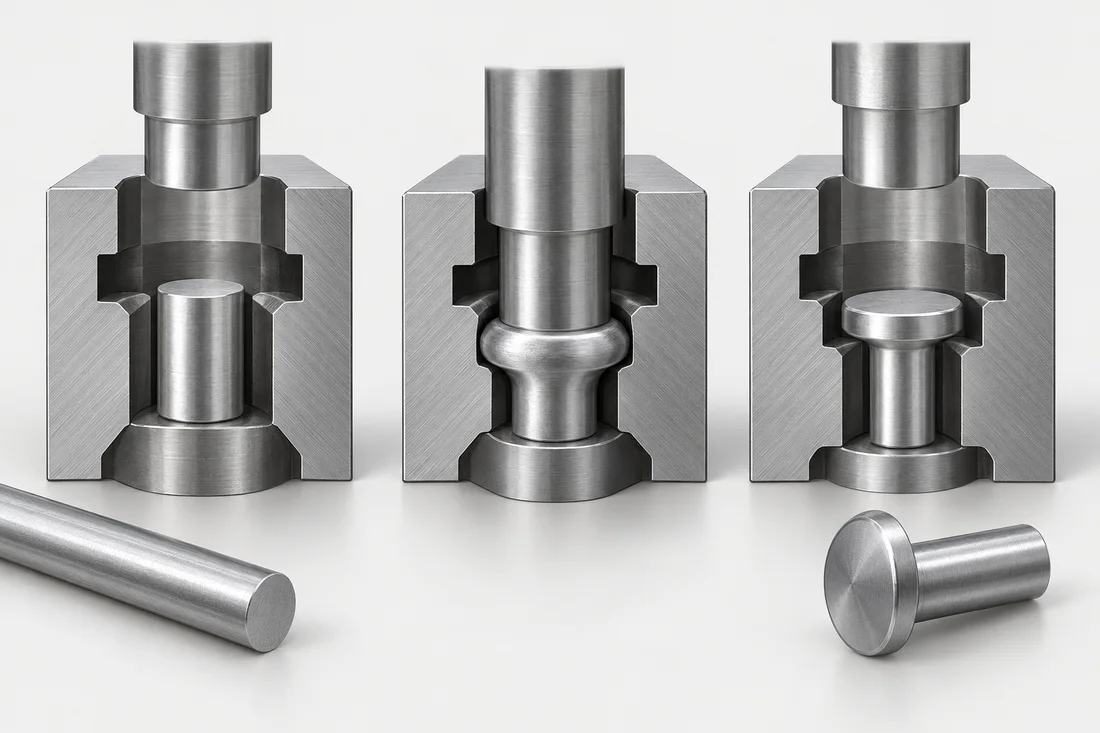
Cold heading process illustration with cut blank, forming punch, die and headed blank
Multi-Station Cold Heading

Define the mating hole

Provide hole shape, dimensions, corner condition and panel thickness. Explain whether the neck is intended to enter freely or engage during installation. The behavior depends on both the neck and the surrounding material, not simply the width across flats.

Control neck depth and transition

Specify square-neck length and its relationship to the head underside. Show transitions that affect seating in the panel. A neck that is too long for the stack can interfere with the nut-side assembly even when the head and thread dimensions are correct.

Working on this type of part? Explore our custom carriage bolts and include the functional requirements in your RFQ.

Review the domed head and bearing face

Head diameter and height affect appearance, clearance and the supporting footprint. Identify visible surfaces and any finish requirements. A smooth dome does not define the underside contact, so include the seating details that matter to the connection.

Agree the finished fit

Forming variation, coating and hole condition can influence assembly. Inspect the neck in the supplied finish and define any functional fit or anti-rotation check. Do not use a visual comparison with a standard carriage bolt as the only acceptance method for a custom neck.

Specification example

When adapting a carriage bolt to a thinner panel, review neck depth and the full clamp stack. Changing only the thread length may leave the actual seating problem unresolved.

RFQ checklist

  • Mating square hole and panel thickness
  • Neck width and depth
  • Under-head transitions
  • Finished head envelope
  • Fit and anti-rotation acceptance
Ready to discuss your part?

Use the RFQ preparation checklist, then submit your drawing for review. For acceptance requirements, see quality planning.

General guidance only. Material properties, tolerances, standards and manufacturing feasibility must be verified for the actual specification. This article does not establish a product performance guarantee.

Continue exploring

DESIGN & DIMENSIONS2 MIN READ

Shoulder fits, thread classes and when grinding matters

A shaft fit and a thread tolerance class control different interfaces. Write the required function clearly before deciding how the surfaces must be finished.

By Theo WanRead technical guide →
DESIGN & DIMENSIONS2 MIN READ

T-slot bolt fit: what to measure before ordering

A T-head must enter, turn or slide inside the intended slot while retaining the required contact. The slot cross-section is therefore an essential part of the fastener RFQ.

By Theo WanRead technical guide →
DESIGN & DIMENSIONS2 MIN READ

Double-ended studs: preventing mixed-thread assembly errors

Different threads at the two ends can solve an interface problem and create an identification problem. The drawing, inspection plan and packaging should distinguish each end clearly.

By Theo WanRead technical guide →

Related manufacturing topics

START YOUR NEXT PROJECT

Have a drawing? Let’s review it.

Share your drawing, quantity and application requirements with our team.

Request a quote
Get a quote ↗Email us

Choose how this website uses optional storage. You can change your choice at any time.

Your preferences are saved in this browser for 180 days. You can change or withdraw consent at any time. Withdrawal stops optional analytics and removes source information stored in your browser. Website access records are managed separately; contact us to exercise your privacy rights.

Read the cookie policy