

DONGGUAN ZUFEK PRECISION CO., LTD.
info@zufek.net
PROCUREMENT / 2 MIN READ

Pre-applied locking patches: what the screw drawing should say

A pre-applied locking feature needs a defined material, location and assembly requirement. A colored patch shown in a photograph is not a complete specification.

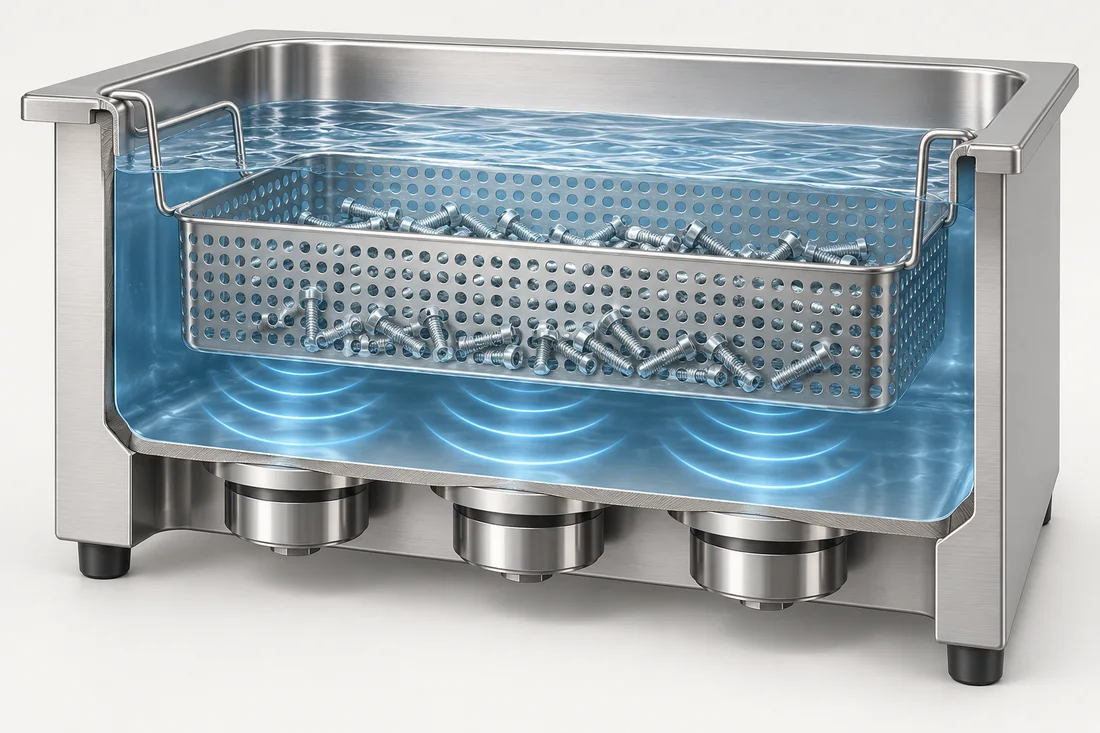
Ultrasonic cleaning illustration with an immersed basket and external transducers
Cleaning, Locking & Assembly

Identify the locking system

Nylon-type patches and adhesive-based systems use different mechanisms. State the approved system or provide the functional requirements for a proposal. Avoid treating every pre-applied material as the same product simply because it appears as a patch on the thread.

Define the application area

Specify location, coverage and any surfaces that must remain clear. Include thread length and the intended mating engagement. A patch applied to the wrong zone may not interact with the mating component in the same way as the approved sample or assembly.

Working on this type of part? Explore our custom metal screws and include the functional requirements in your RFQ.

Describe assembly and service conditions

State the intended mating material, installation process, exposure conditions and any reuse requirement. These inputs help the supplier review compatibility. Do not assume a locking feature establishes the joint clamp load or eliminates the need to define the tightening method.

Agree the verification and handling

Where torque behavior is required, define the test method and acceptance conditions. Include packaging and handling restrictions that protect the applied feature. Records should distinguish the base screw specification from the additional locking process so repeat orders preserve both.

Specification example

For a screw with a short working engagement, show where the mating thread sits in the installed condition. This helps ensure the specified patch zone actually overlaps the intended interface.

RFQ checklist

  • Approved locking system
  • Patch position and coverage
  • Mating thread and engagement
  • Assembly and reuse conditions
  • Torque behavior and handling criteria
Ready to discuss your part?

Use the RFQ preparation checklist, then submit your drawing for review. For acceptance requirements, see quality planning.

General guidance only. Material properties, tolerances, standards and manufacturing feasibility must be verified for the actual specification. This article does not establish a product performance guarantee.

Continue exploring

PROCUREMENT2 MIN READ

Drawing revision control for repeat custom fastener orders

Repeat orders should repeat the approved specification, not the ambiguities of an old email. A small revision-control habit can prevent expensive confusion across drawings, samples and inspection records.

By Theo WanRead technical guide →
PROCUREMENT2 MIN READ

Packaging and lot traceability for custom screw orders

Packaging is part of the delivered condition. It should protect functional surfaces, preserve identification and make the incoming inspection and assembly process practical.

By Theo WanRead technical guide →
PROCUREMENT2 MIN READ

From prototype to production: keeping the screw specification aligned

A prototype can establish useful geometry without defining the final production route. Plan the transition so the approved function and acceptance requirements survive the change in manufacturing method.

By Theo WanRead technical guide →

Related manufacturing topics

START YOUR NEXT PROJECT

Have a drawing? Let’s review it.

Share your drawing, quantity and application requirements with our team.

Request a quote
Get a quote ↗Email us

Choose how this website uses optional storage. You can change your choice at any time.

Your preferences are saved in this browser for 180 days. You can change or withdraw consent at any time. Withdrawal stops optional analytics and removes source information stored in your browser. Website access records are managed separately; contact us to exercise your privacy rights.

Read the cookie policy