 ZUFEK
Record what the prototype proves
State whether the sample is for fit, appearance, function or a particular test. Note its material, finish and production route. A machined prototype may not represent every condition of a later formed production part, so its approval scope should be explicit.
Review route changes before volume release
Higher quantities may justify tooling or a hybrid process. Compare the proposed route against the approved drawing and critical features rather than assuming interchangeability. Identify any changes in material condition, transitions, finish or inspection that need review.
Make the sample and report traceable
Retain the drawing revision, sample identity and relevant results. If a change is approved, document its effect on the production specification. An undocumented workshop adjustment can become a recurring disagreement when the next order is placed against the original drawing.
Agree the production release gate
Define the evidence needed before increasing volume and how deviations are handled. Include packaging, lot identification and repeat-order requirements when they matter. The aim is a controlled transition, not simply a larger quantity of parts with the same informal description.
Specification example
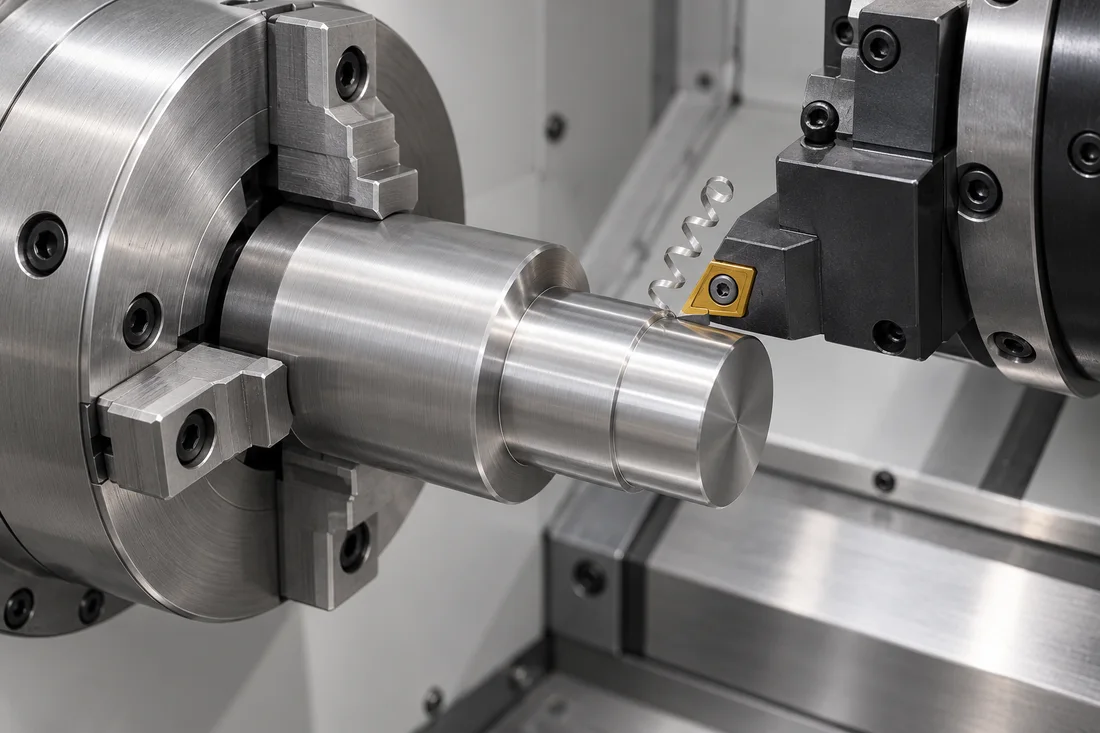
If a prototype shoulder is finish-turned but production is proposed with grinding after treatment, review the final dimensions and surface acceptance. Approve the resulting part condition rather than only the process name.
RFQ checklist
- Prototype purpose and limitations
- Proposed production route
- Critical-feature comparison
- Sample and report identity
- Documented volume-release decision
Use the RFQ preparation checklist, then submit your drawing for review. For acceptance requirements, see quality planning.
General guidance only. Material properties, tolerances, standards and manufacturing feasibility must be verified for the actual specification. This article does not establish a product performance guarantee.