

DONGGUAN ZUFEK PRECISION CO., LTD.
info@zufek.net
DESIGN & DIMENSIONS / 2 MIN READ

Knurled thumb screws: specifying grip and adjustment

A hand-adjusted screw must be accessible, comfortable to grip and compatible with the required adjustment. Head texture alone does not define how the mechanism works.

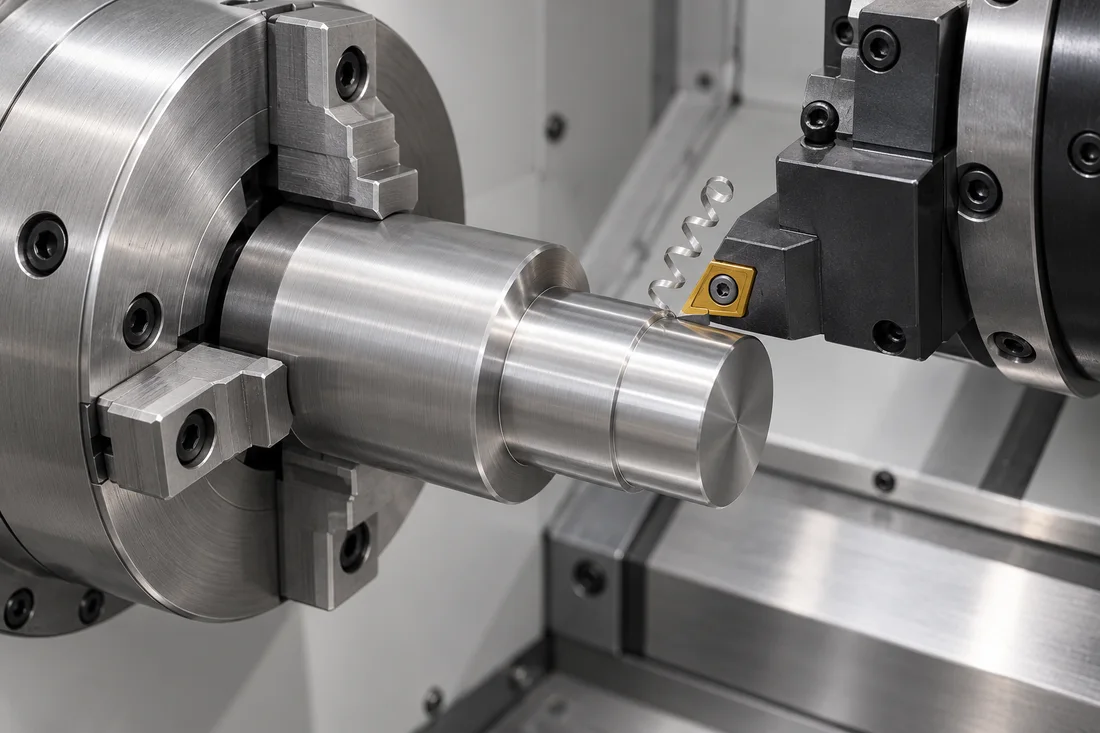
CNC turning illustration with a supported bar and cutting insert at a shoulder
Swiss-Type & CNC Turning

Describe the way it is operated

Explain whether the user adjusts the part frequently, wears gloves or works in a restricted space. Head diameter and height influence access as much as the knurl pattern. Include surrounding components so the manufacturer can review usable grip clearance rather than only the isolated head.

Specify the knurl rather than an appearance

Straight and diamond patterns provide different textures. State the required head envelope and any controlled pattern details. Agree acceptable surface and edge condition, especially where users handle the component repeatedly. A reference sample can support the discussion, but the approved requirements should be recorded.

Working on this type of part? Explore our knurled thumb & adjustment screws and include the functional requirements in your RFQ.

Connect pitch to the adjustment requirement

Describe the required travel, mating thread and any backlash or position-holding concern. Fine pitch may provide smaller movement per turn, but the complete mechanism determines useful adjustment. Specify a separate locking feature if the setting must remain stable under service conditions.

Decide whether a service drive is needed

A slot or socket may supplement hand operation, but it can introduce a different tightening method. Clarify how each interface is intended to be used. Do not assume a hand-grip feature establishes a controlled tightening torque or prevents the operator from overloading the assembly.

Specification example

For an adjustable fixture stop, include the usable adjustment range and the contact surface at the tip. This helps separate grip design from the positioning and locking functions.

RFQ checklist

  • Available finger and tool clearance
  • Head dimensions and knurl pattern
  • Adjustment travel and mating thread
  • Locking or retention arrangement
  • Surface and edge acceptance
Ready to discuss your part?

Use the RFQ preparation checklist, then submit your drawing for review. For acceptance requirements, see quality planning.

General guidance only. Material properties, tolerances, standards and manufacturing feasibility must be verified for the actual specification. This article does not establish a product performance guarantee.

Continue exploring

DESIGN & DIMENSIONS2 MIN READ

Shoulder fits, thread classes and when grinding matters

A shaft fit and a thread tolerance class control different interfaces. Write the required function clearly before deciding how the surfaces must be finished.

By Theo WanRead technical guide →
DESIGN & DIMENSIONS3 MIN READ

Hollow screw bores: the details an RFQ should include

Specify the complete bore, minimum remaining wall, internal edges and acceptance method. Use thread-root geometry and bore offset in the section review.

By Theo WanRead technical guide →
DESIGN & DIMENSIONS3 MIN READ

Cone, flat, dog or cup: choosing a set-screw tip

Choose a set-screw point by its contact with the mating part. Define allowable marking, adjustment and retention, then verify the complete joint.

By Theo WanRead technical guide →

Related manufacturing topics

CONNECTED SPECIFICATION TOPICS

Connect the part to its requirements.

Review these related topics for this design or route. Grade, treatment, geometry and acceptance remain drawing-specific.

START YOUR NEXT PROJECT

Have a drawing? Let’s review it.

Share your drawing, quantity and application requirements with our team.

Request a quote
Get a quote ↗Email us

Choose how this website uses optional storage. You can change your choice at any time.

Your preferences are saved in this browser for 180 days. You can change or withdraw consent at any time. Withdrawal stops optional analytics and removes source information stored in your browser. Website access records are managed separately; contact us to exercise your privacy rights.

Read the cookie policy