

DONGGUAN ZUFEK PRECISION CO., LTD.
info@zufek.net
ROUTE 04 / HYBRID

Cold Heading + Secondary Machining

A formed blank provides the basic shape; selected machined features establish critical steps, faces or holes.

Compare setup cost and recurring cost separately
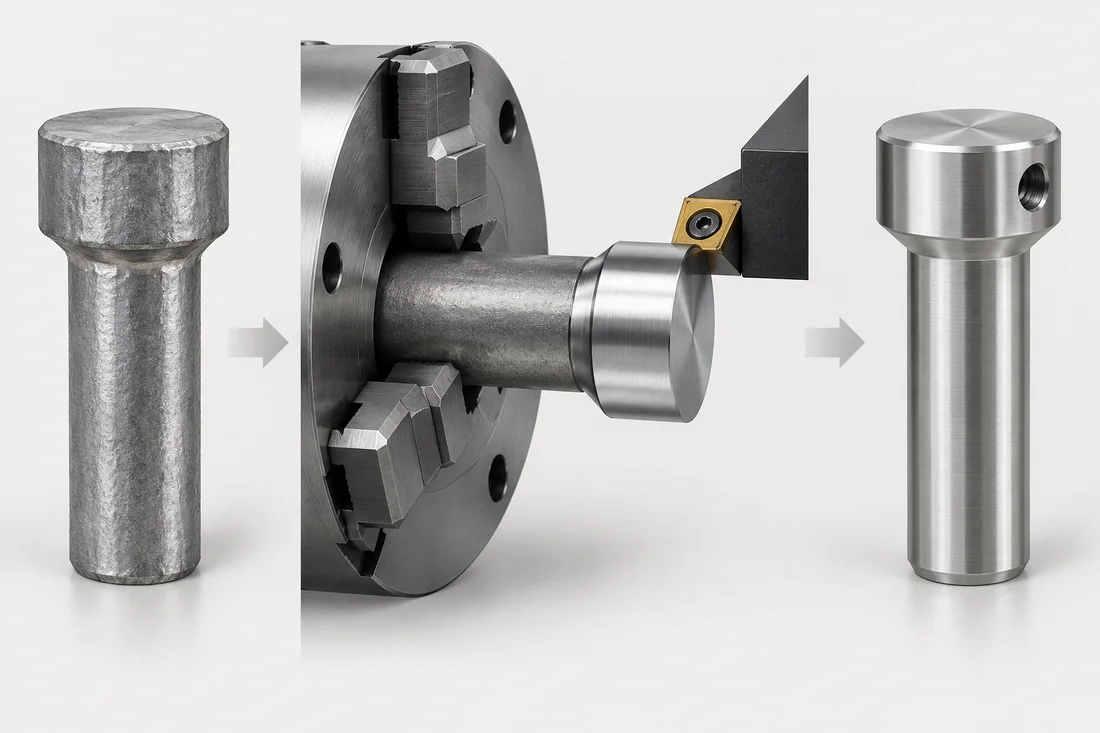
Hybrid process illustration from cold-headed blank to secondary turned part
Cold Heading + Secondary Machining

Why combine processes

Integrate repeated bulk geometry through forming, then machine the features that need a different tool path or control. Tooling and machining must be evaluated together.

Typical feature split

Head and rough shank by forming; shoulder finish, reliefs, flats or side holes by secondary operations. The exact split follows feasibility review.

Finish-sensitive shoulders

Heat treatment and coating can alter dimensions or surface condition. Plan precision finishing and final measurement at the appropriate stage.

Drawing requirements

Identify functional fits and datum relationships. The RFQ should distinguish critical features from dimensions with more manufacturing flexibility.

Prepare a complete specification

Use the RFQ checklist, review materials and include the required inspection and documentation.
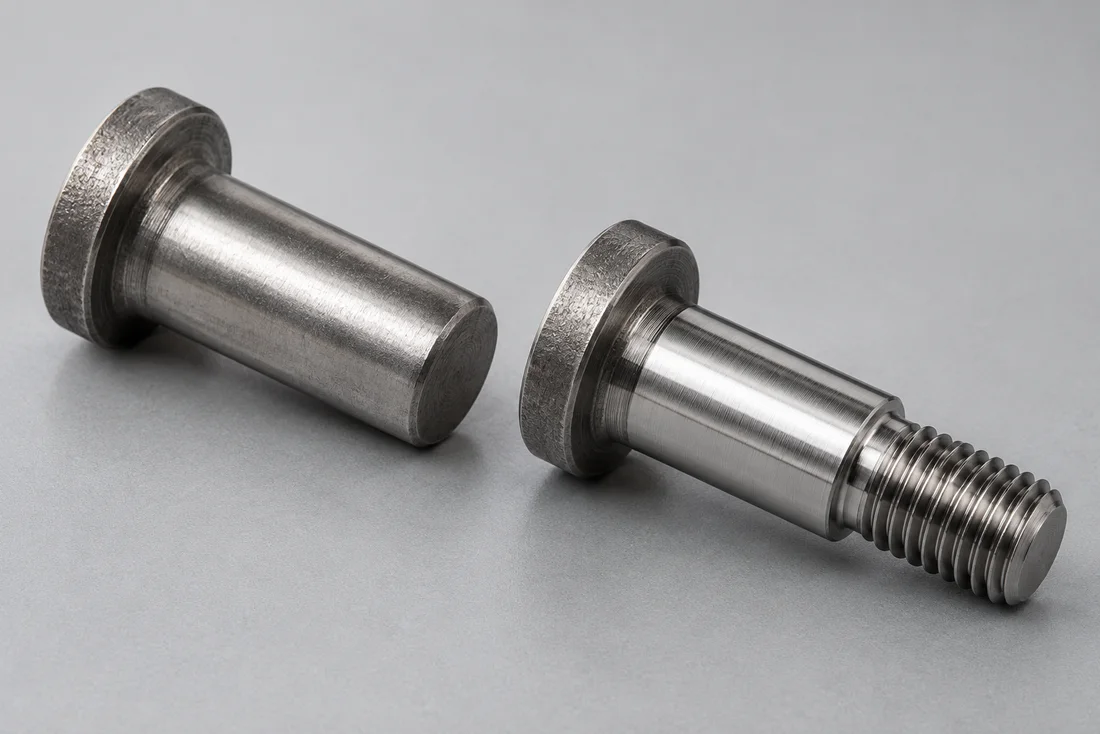
Drawing review example

Transfer a turned shoulder prototype to a formed blank

Illustrative drawing review. Confirm the route, dimensions and acceptance for your part.

What drives the route
Freeze the shoulder-to-bore fit and axial locating face before moving to the hybrid route. Define which surfaces are formed, which locate the second operation and where enough stock must remain for finishing after any treatment or distortion.
What changes the quotation
Compare the complete route, including tooling, handling between operations, rejected blanks and final fitting work. If the shoulder and thread are established in different setups, include the work needed to control their relationship rather than pricing only two diameters.
How to release the sample
Use production-route samples to recheck shoulder size and form, axial length, thread acceptance and seating in the mating assembly after finishing. Preserve the turned prototype as a geometry reference; record which characteristics require fresh approval after the route change.

Related fastener families

Related technical guides

Continue through the process

Process decision and release matrix

Resolve these items during technical review. Each row identifies a decision or evidence requirement; it does not imply a universal process limit or an in-house equipment claim.

DecisionRequired inputRelease question
Formed blankDefine the economical bulk shape and stock for machiningWhich dimensions are deliberately left for later finishing?
Secondary locationIdentify datum transfer and held surfacesHow are shoulder, bore and thread relationships preserved?
Complete sequenceCoordinate threads, treatment, finishing and coatingAt which stage is each critical final requirement established?
Route transferCompare sample and repeat-production methodsWhich characteristics need a production-route sample check?
AFTER PROCESSING

See the resulting feature.

Visual references help explain geometry and finish. Material properties, coating performance and acceptance require the agreed inspection methods.

Hybrid manufacturing — refined shoulder
Process outcome reference; final requirements follow the approved drawing.

Compare setup cost and recurring cost separately

Compare complete routes to the same finished drawing, including secondary machining, treatment, inspection and scrap assumptions. The following currency-unit example demonstrates the calculation; these are invented teaching inputs, not ZUFEK prices.

Compare setup cost and recurring cost separately
RouteOne-time setup FRecurring cost v per part
Formed blank plus secondary machining20000.08
Turned route1000.25

For a single batch q: total cost = F + v × q. With the illustrative inputs, the equal-cost quantity is (2000 − 100) ÷ (0.25 − 0.08), approximately 11177 parts when rounded up. This is not a universal cold-heading threshold.

At 1000 parts: formed route 2080 units; turned route 350 units.

At 20000 parts: formed route 3600 units; turned route 5100 units.

For repeat orders, spread reusable tooling over the agreed production horizon and identify maintenance or replacement costs separately. A route change still needs sample validation: a turned prototype does not automatically approve the material condition, geometry and surface produced by a later forming route.

Download the route-cost comparison worksheet (English)

Tooling and sampling typically take approximately 10–15 days after technical review and confirmation. Confirm the starting milestone, sample acceptance and repeat-production schedule in the quotation.

CONNECTED SPECIFICATION TOPICS

Connect the part to its requirements.

Review these related topics for this design or route. Grade, treatment, geometry and acceptance remain drawing-specific.

START YOUR NEXT PROJECT

Discuss the route behind your drawing.

Share your drawing, quantity and application requirements with our team.

Request a quote
Get a quote ↗Email us

Choose how this website uses optional storage. You can change your choice at any time.

Your preferences are saved in this browser for 180 days. You can change or withdraw consent at any time. Withdrawal stops optional analytics and removes source information stored in your browser. Website access records are managed separately; contact us to exercise your privacy rights.

Read the cookie policy