
 ZUFEK
Carbon & Alloy Steel
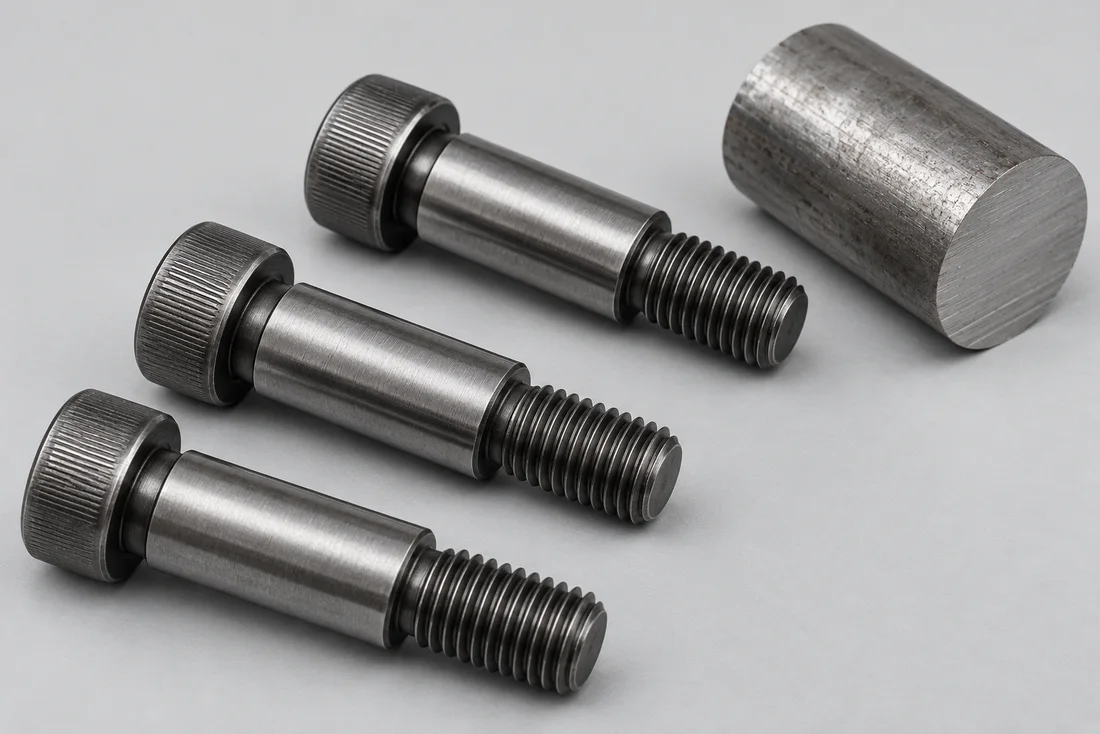
A practical choice for drawing-defined fasteners where the required mechanical class, wear behavior and surface protection can be specified together.
Strength reference
Specify the finished fastener property class, not a strength inferred from the raw grade. Common nominal class references include 8.8, 10.9 and 12.9.
| Grade / condition / basis | Tensile strength Rm (MPa) | Yield / 0.2% stress (MPa) | Scope of the reference |
|---|---|---|---|
| 8.8 nominal class reference | 800 | 640 | Nominal designation values; actual standard minimums depend on applicability and size. |
| 10.9 nominal class reference | 1,000 | 900 | Nominal designation values, not a substitute for the acceptance table. |
| 12.9 nominal class reference | 1,200 | 1,080 | Nominal designation values; review geometry, material and final condition. |
Values refer to the stated material or fastener-class basis. They are not a certified property or load rating for every ZUFEK custom geometry. Confirm the applicable specification and test condition for the ordered part.
Compare grades and delivery conditions
A material family is a starting point, not a complete specification. The following options are selection references; supply and suitability require drawing review.
| Grade or specified condition | What distinguishes it | When to consider it | What to confirm before ordering |
|---|---|---|---|
| C45 / C45E | Medium-carbon steel; order the actual EN grade and delivery condition. | Machined shoulders, stops and general mechanical parts where specified heat treatment is appropriate. | Compare normalized, annealed and quenched-and-tempered conditions. Similar designation lists do not authorize a substitution. |
| 42CrMo4 | Chromium-molybdenum steel used for quenching and tempering. | Loaded threaded components where strength, toughness and section size justify alloy steel. | Hardenability and section size matter. Do not infer a finished 10.9 or 12.9 class from the grade alone. |
| SAE 4140 | Specify the SAE grade and governing stock specification explicitly. | A drawing-defined alternative to evaluate when the original drawing uses SAE material designations. | Related to the chromium-molybdenum family, but not automatically interchangeable with every 42CrMo4 variant. |
| Low-carbon steel: exact grade required | A separate low-carbon chemistry and forming specification. | Formed general-purpose parts where the ordered final properties permit it. | Name the actual grade and any required case treatment; do not copy C45 or alloy-steel properties. |
How to narrow the choice
For a machined locating part, start with the required wear surface and final condition. For a loaded fastening part, start with the finished mechanical requirements and applicable fastener standard; then review grade, section size, route and coating together.
Write an unambiguous material requirement
Include the designation standard, exact grade, product form, delivery condition, final mechanical requirements, surface treatment and acceptance evidence. Similar names across EN, ASTM, SAE, JIS or GB systems are comparison leads, not permission to substitute.
If the grade is not yet decided, send the load or locating function, environment, mating materials, quantity and drawing. Ask for a proposed grade and route with stated assumptions before approving the material.
The listed grades are comparisons for drawing review, not a declaration that every grade, size or treatment is held in stock. Availability, route and ordered evidence are confirmed in the quotation.
Selection, processing and acceptance
Choose the grade and condition together with the job the screw performs. The following checks connect the material shortlist to manufacturing and sample acceptance.
- Function and grade choice
- For a locating shoulder or stop, identify the contact surface, wear requirement and toughness needed at section changes. C45/C45E and 42CrMo4 are different starting choices; SAE 4140 needs its own stock specification. Choose from the final requirement rather than assuming that every alloy-steel part needs the highest property class.
- Processing and final dimensions
- Cold-heading wire and machining bar require different starting specifications. If hardening follows machining, plan the final sizing of shoulders and threads around distortion and coating build. For high-strength parts, review hydrogen-related process risk and the coating route; a later baking operation is not a universal guarantee against embrittlement.
- What the sample must demonstrate
- Keep the material heat identity, treatment batch and coating lot connected. Agree the applicable tensile, proof-load or hardness checks separately from dimensional inspection. For thin heads, hollow sections or reduced shanks, establish which finished-fastener tests apply and how the actual geometry is accepted.
Example: a machined shoulder with a heat-treated steel requirement
For a loaded bracket, keep the steel identity, material condition and finished screw requirements separate. Use the drawing to decide which properties are actually required at the shoulder and threaded section.
Illustrative material request. Drawing-specific limits and acceptance criteria remain to be agreed; this is not a released design or a ZUFEK test result.
- Grade and supplied condition
- 42CrMo4 bar in the agreed quenched-and-tempered condition. Identify the stock specification, section size and delivery condition on the order.
- Finished-part requirement
- Specify the required finished mechanical properties and their applicable test basis. Record hardness or local surface requirements separately if the drawing calls for them.
- Surface and mating interface
- Identify the locating shoulder and thread fit after the specified finish. Include the mating bore and any coating allowance in the review.
- Acceptance records
- Connect material identity and treatment records to the lot; agree which final-part measurements or mechanical results are required.
- Alternative to review, not assume
- C45/C45E may enter a different route review; SAE 4140 needs its own governing specification. A similar alloy description is not an approved substitution.
Material selection questions
Does 42CrMo4 automatically mean a class 12.9 screw?
No. The grade describes a steel chemistry; class 12.9 is a finished-fastener mechanical requirement within a defined scope. Heat treatment, section size, geometry and verification must support the ordered requirement.
Can a stock certificate replace finished screw inspection?
It can establish the ordered stock identity and reported stock properties. It does not prove dimensions after treatment, coating thickness, finished-thread conformity or every mechanical property of a custom screw.
Why consider this family?
- Broad choice of grades and final mechanical conditions
- Suitable route choices include forming and machining, subject to grade
- Surface protection can be matched to the environment
Application range
Automotive component brackets, machinery connections, fixture shoulder screws and application-specific clamping.
Selection and process considerations
Steel grade, heat treatment and property class are different specifications. Review corrosion exposure, hydrogen-related process risks where applicable, coating friction and dimensional allowances. Reduced-load geometries need their own assessment.
Include in the RFQ
- Grade and final property requirement
- Applicable fastener specification and size
- Heat-treatment and coating system
- Functional load case and acceptance tests
Related products and manufacturing routes
Relevant application discussions
Choose material and finished strength together
Use a common set of functional, environmental and acceptance requirements before comparing grades and conditions. Separate material stock figures from finished fastener classes and assembled joint performance.
Follow the material and strength selection workflow ↗Connect the part to its requirements.
Review these related topics for this design or route. Grade, treatment, geometry and acceptance remain drawing-specific.
High-strength screw coatings and hydrogen-risk review ↗
A high-strength steel fastener needs a coating decision that considers both corrosion and hydrogen exposure throughout processing.
ENGINEERING GUIDECoating allowance for threads and precision shoulders ↗
A coating belongs in the dimensional plan. The final fit must be evaluated in the condition that the customer receives, not only before surface treatment.
Discuss carbon & alloy steel for your drawing.
Share your drawing, quantity and application requirements with our team.