

DONGGUAN ZUFEK PRECISION CO., LTD.
info@zufek.net
COMPOUND STRUCTURES

Custom Clinch Screws & Studs

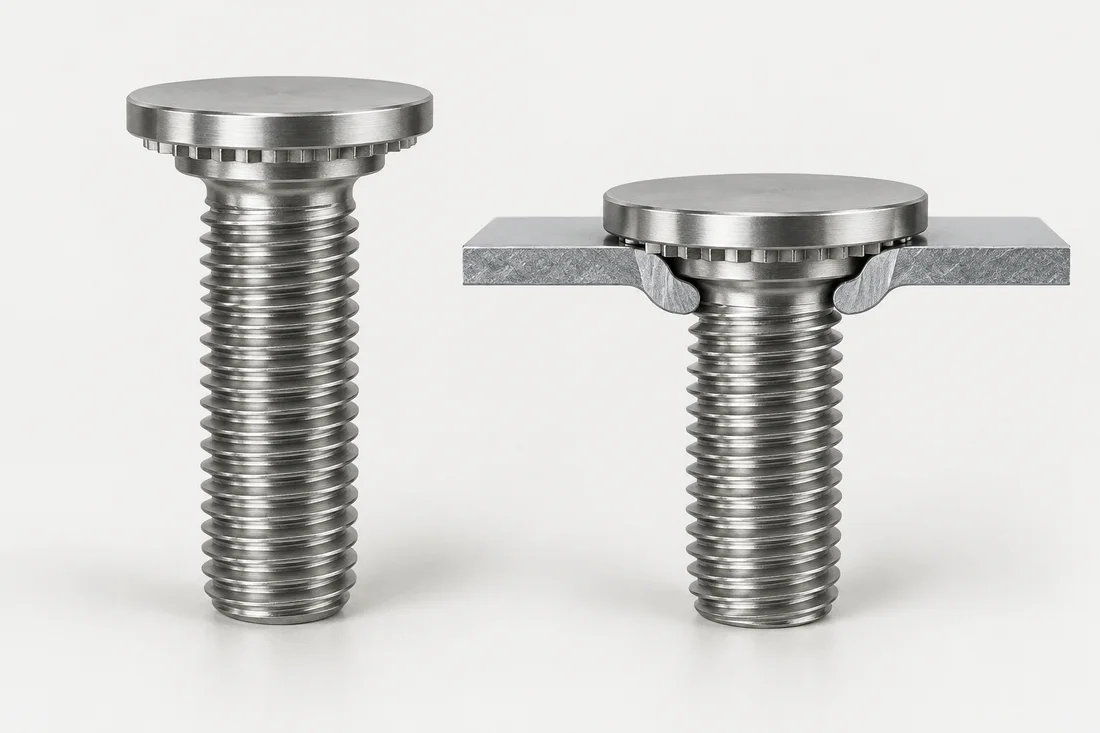
Drawing-specific press-in features can combine a threaded component with a sheet-metal attachment interface.

Discuss this custom part
Clinch stud and sheet cutaway illustrating the press-in retention feature
Custom Clinch Screws & Studs

Where this design fits

Sheet-metal panels and equipment assemblies using a qualified press-in connection.

What to include in the RFQ

Provide the panel specification and acceptance tests. Do not assume a custom feature shares the ratings of a branded standard clinch part.

Open the complete RFQ checklist ↗

Material and acceptance

Carbon steel, 10B21, SUS304/316, aluminum, copper/brass and titanium alloy requirements can be discussed. Suitability is specific to the part, grade and process.

Define material condition, coating, critical dimensions and required inspection records. A named product family does not imply a tested load, pressure or performance rating.

RELEVANT PROCESS OPTIONS

Make the features work together.

These routes are options for technical review. The approved drawing, quantity and material determine the actual sequence.

Related product designs

Application discussions

Useful technical reading

Drawing and sample checks

  1. Specify panel material, thickness and prepared hole
  2. Trial installation and verify push-out and torque-out as agreed.

Panel compatibility and insertion acceptance

Supply panel material, thickness, hole preparation and installation direction with the fastener drawing. The retaining feature and panel deform as a system. Define the required installation and retention checks; a correct screw thread does not establish resistance to push-out or rotation in the panel.

Review the route before fixing the quotation

For custom clinch screws & studs, review Multi-Station Cold Heading, Secondary & Precision Operations, CCD Vision & Dimensional Inspection against the drawing and quantity. Identify which features can be produced in the initial shape and which require a separate setup. A change to a functional shoulder, bore, drive or thread can change the proposed route as well as the inspection effort.

The drawing review should resolve retention geometry; panel condition; installation validation. Keep material condition and finishing allowance attached to those requirements. Define the acceptance condition for critical features and approve any proposed dimensional change before comparing samples with the original assembly.

From drawing to approved samples

Provide the panel specification and acceptance tests. Do not assume a custom feature shares the ratings of a branded standard clinch part. Identify the drawing revision, prototype quantity and expected repeat demand. Where the first part is based on an existing sample, separately confirm material and hidden features rather than inferring them from appearance.

The typical sampling lead time, including tooling, is approximately 10–15 days. The schedule is confirmed after drawing review and agreement on the sample specification; material availability, special treatment and inspection requirements can affect the confirmed date. Confirm when the agreed schedule starts in the quotation. Sample approval and repeat-production delivery are separate milestones.

START YOUR NEXT PROJECT

Send the details for your custom clinch screws & studs.

Share your drawing, quantity and application requirements with our team.

Request a quote
Get a quote ↗Email us

Choose how this website uses optional storage. You can change your choice at any time.

Your preferences are saved in this browser for 180 days. You can change or withdraw consent at any time. Withdrawal stops optional analytics and removes source information stored in your browser. Website access records are managed separately; contact us to exercise your privacy rights.

Read the cookie policy