
 ZUFEK
Worked inspection-plan matrix
Illustrative planning rows, not measured results. Insert the actual drawing requirements and agreed inspection coverage before release.
| Characteristic | Requirement to enter | Suitable evidence | Coverage and record |
|---|---|---|---|
| C1 · Shoulder diameter | Approved drawing limits; final supplied condition | Calibrated diameter measurement; validated vision only if suitable | Agreed sample or every-piece scope; record actual values or the approved screening result |
| C2 · Shoulder length | Distance from the functional seating face | Length measurement from the specified face, with a documented setup | Link the result to the drawing revision and lot |
| C3 · Thread acceptance | Thread system, pitch, class and usable length | Appropriate gauges plus a separate usable-length check when required | Record gauge identity and the agreed acceptance result |
| C4 · Geometric runout, if specified | Datum, controlled surface and tolerance on the drawing | A datum-referenced setup that measures the specified relationship | A diameter-only camera result does not replace this check |
| C5 · Material and finish | Ordered grade, condition and treatment requirements | Agreed documents and applicable physical or coating checks | Keep stock certificates, final-part results and coating records distinguishable |
| C6 · Assembly function | Approved mating-part revision and functional criteria | Controlled assembly trial for movement, seating or retention | Record the mating reference, outcome, deviations and approver |
Download the example inspection plan (English) · Download a blank inspection worksheet (English)
Start with the released requirement
Record the part number, drawing revision, order or lot, material condition and supplied finish. Resolve conflicting dimensions and undefined notes before selecting equipment. The example matrix deliberately uses drawing references instead of invented production limits. Replace those references with the approved requirements for the actual part.
Use the example without copying a test scope blindly
A shoulder diameter, a thread and a material property require different evidence. A camera may screen a visible profile after validation, but it does not establish material strength or every datum relationship. A thread gauge does not establish shoulder length. Keep these characteristics in separate rows even when one production station performs several checks.
Define coverage and reaction before production
For each row, agree first-article, sampled or every-piece coverage and the point in the route where acceptance is measured. A destructive check cannot be applied to every delivered piece in the same way as a dimensional screen. Define how a failed or borderline result is identified, segregated and reviewed, including which work or shipment must stop pending disposition.
Record the result and the release decision
Use the blank worksheet to capture requirement, actual value or agreed pass/fail result, instrument or method reference, inspector, date and disposition. A sample report should identify the mating part used for any assembly trial. When the drawing or finish changes, review the affected rows and preserve the previous revision rather than silently editing an old result.
Specification example
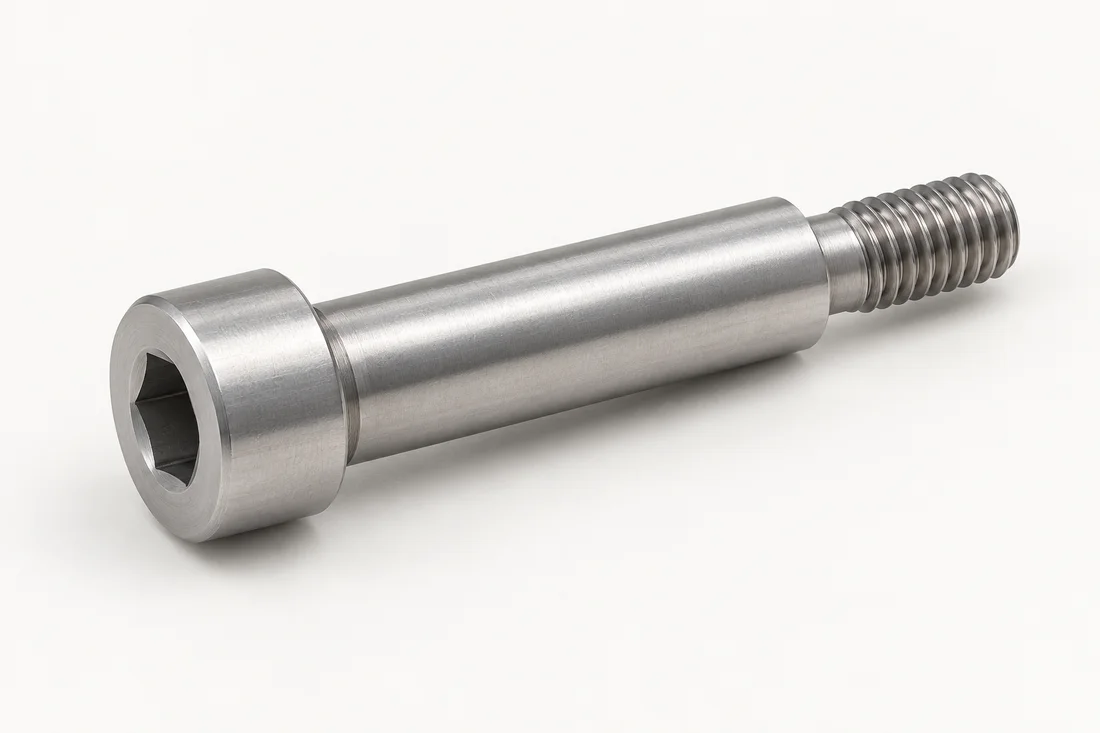
Worked example only: an external shoulder size is checked after finishing, while thread acceptance uses the specified gauges and an assembly trial checks that the moving plate is not clamped. The example establishes record fields, not numerical limits, completed measurements or a ZUFEK inspection result.
RFQ checklist
- Part, drawing revision and lot identity
- Characteristic and approved acceptance requirement
- Method, stage and coverage
- Actual result and traceable record
- Nonconformance disposition and release approval
Use the RFQ preparation checklist, then submit your drawing for review. For acceptance requirements, see quality planning.
General guidance only. Material properties, tolerances, standards and manufacturing feasibility must be verified for the actual specification. This article does not establish a product performance guarantee.