 ZUFEK
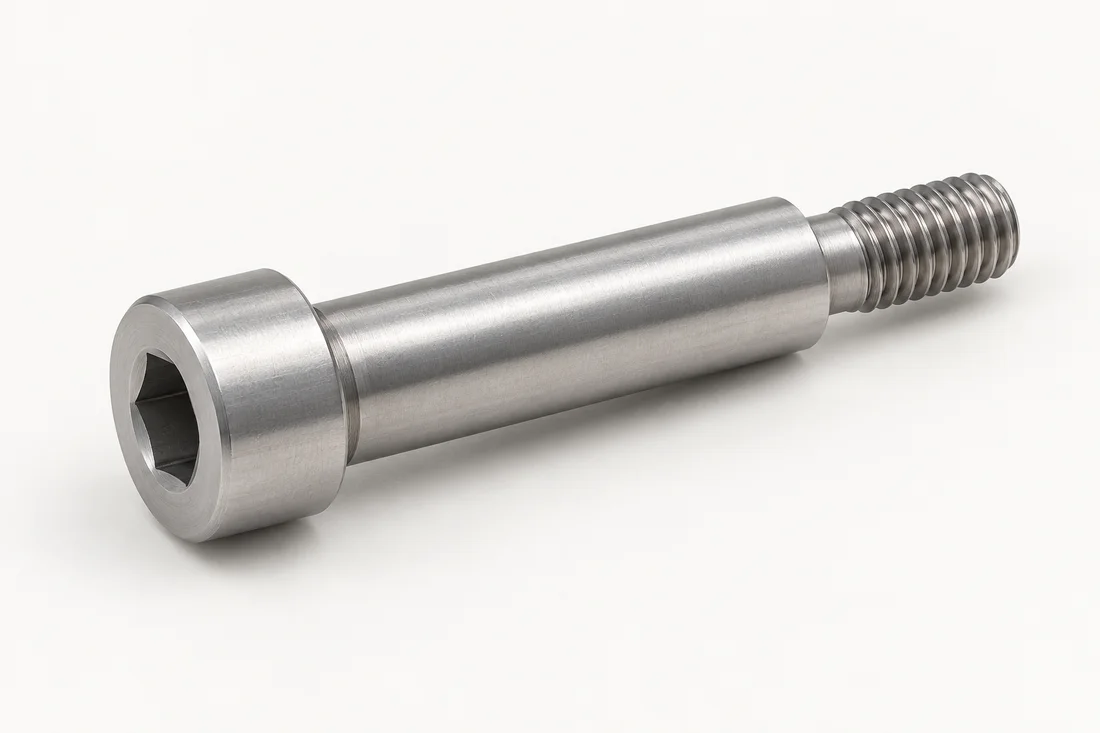
Distinguish the drawing requirements
| Term | Meaning | Drawing decision |
|---|---|---|
| Thread runout region | Incomplete thread near the end of the full thread | Define the permitted axial extent and its position relative to the seating feature |
| Thread relief / undercut | A deliberately reduced section or groove | Define diameter, width, radius and clearance where function requires them |
| Circular or total runout | A geometric tolerance evaluated relative to a datum axis | Identify the controlled surface, datum reference and the specified tolerance |
Use three separate terms
An incomplete thread region is where the thread profile is not fully formed near its end. A relief or undercut is a deliberately machined or formed reduced section. Geometric runout controls variation of a specified surface relative to a datum axis. These requirements can coexist on one component, but an axial incomplete-thread length is not a circular-runout tolerance.
Define usable thread before evaluating the transition
Specify the thread system, pitch, tolerance class where applicable and the required usable full-thread length. Identify the reference face and the allowed location of the incomplete region. A visible threaded length can include incomplete profile at an end; it should not be assumed to provide the same usable engagement throughout. Show the mating component when seating depends on this transition.
Check the mating clearance rather than adding a groove by habit
A shoulder, collar, receiving thread or counterbore can interfere with incomplete thread before the intended face seats. Compare the permitted transition envelope with the mating bore, chamfer and axial stack. Where a relief is needed, define its diameter, axial width and transition radius. Review the remaining section with the responsible designer; a clearance groove can also change the local stress condition.
Specify geometric runout only as a separate functional requirement
If the assembly requires control of a surface as the part rotates about a reference axis, identify the controlled surface, datum reference and the selected geometric tolerance. State circular or total runout as appropriate to the drawing system and function. Do not use that datum-based check as a substitute for the permitted axial length of incomplete thread, or impose it merely because the word runout appears in a thread note.
Match each requirement to its own check
A suitable profile or dimensional method can evaluate an accessible incomplete-thread region and relief geometry against the drawing. Thread gauges address their specified thread acceptance and do not automatically verify seating clearance. Geometric runout needs a setup referenced to the required datum axis. A controlled mating-part trial can support seating evaluation, with its revision and limits recorded separately.
Make the quotation and release decision explicit
Ask the supplier to identify any tool-exit allowance, proposed relief or unresolved transition detail before sample approval. Record acceptance in the final supplied condition when treatment can affect the interface. Release the drawing only after usable thread, seating clearance and any independent geometric requirement are unambiguous. The comparison and example describe a review method, not universal dimensions or a certified design.
Specification checklist
- Full-thread length and its reference face
- Permitted incomplete-thread region
- Relief dimensions where required
- Mating chamfer, counterbore or clearance envelope
- Separate datum and tolerance for any geometric runout
Application example
Illustrative assembly: a collar must seat against a screw shoulder. Review the collar bore, its entry chamfer and the permitted incomplete-thread region together. A relief may provide clearance, but its section and radius also require design review. A separate geometric-runout callout is considered only if the functional relationship between surfaces requires it. No particular clearance, torque or test result is assumed.
Related manufacturing topics
Related engineering resources
Continue exploring
Related custom fasteners · Manufacturing capabilities · Technical blog